Licences & work
Do you need two licences for one job in New Zealand?
Some jobs need a combination of licence entitlement, endorsement and workplace training. That does not mean every job requires two licences, or that two documents cover every duty. Break the role into vehicle, road-use, load and operating tasks, then check the evidence needed for each.
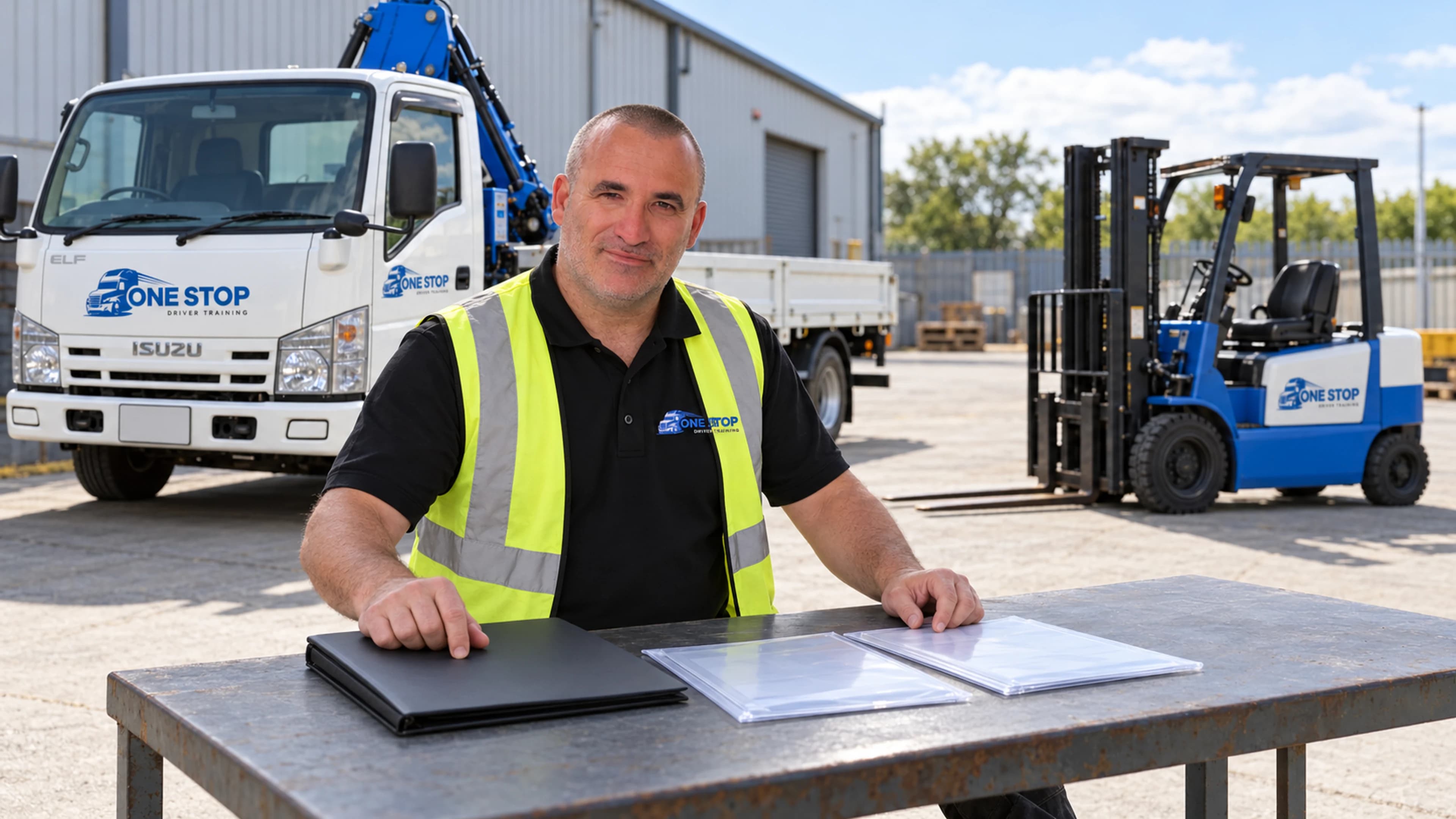
A job advertisement might ask for Class 2 and forklift experience, while another asks for WTR or DG. It is easy to read these as a standard pair of licences. In practice, the words can refer to different kinds of entitlement and evidence.
Before booking a package, make a task map. It will help you ask better questions, avoid unnecessary extras and spot training that a short job title leaves out.
Replace the licence count with a task list
Write down what the worker will actually do from the start of a shift to the finish. Include driving between places, using equipment, loading, customer-site work and paperwork. Then mark the parts you have confirmed and the parts that are still assumptions.
This works for both applicants and employers. An applicant can use it to explain existing experience; a supervisor can use it to build a realistic introduction. The aim is not to produce a longer shopping list. It is to identify the few questions that determine whether the proposed training fits the role.
Understand what each label is describing
A driver-licence class concerns vehicle entitlement. An endorsement adds a particular category of permission or requirement, such as relevant forklift or special-type road use. NZTA treats these as distinct parts of the licensing system, so a shorthand phrase such as two licences can obscure the actual need.
An operator certificate may describe a training outcome rather than a second road licence. Ask exactly what evidence is being requested, what task it relates to and what the employer expects it to demonstrate. Keep those answers with the job description.
| Label in conversation | Clarify before booking |
|---|---|
| Class 2, 4 or 5 | Vehicle class and stage required |
| F, W, T or R | Machine category and road-use circumstances |
| D or DG | Dangerous-goods transport requirement |
| Operator certificate | Equipment, assessment and training scope |
| Site induction | Local duties and workplace arrangements |
Source: NZTA: Getting a D, F, R, T or W endorsement · NZTA: Driver licence classes and vehicle weights
Planning your training? Choose workplace training and check the options for your next step.
Try a delivery-and-loading example
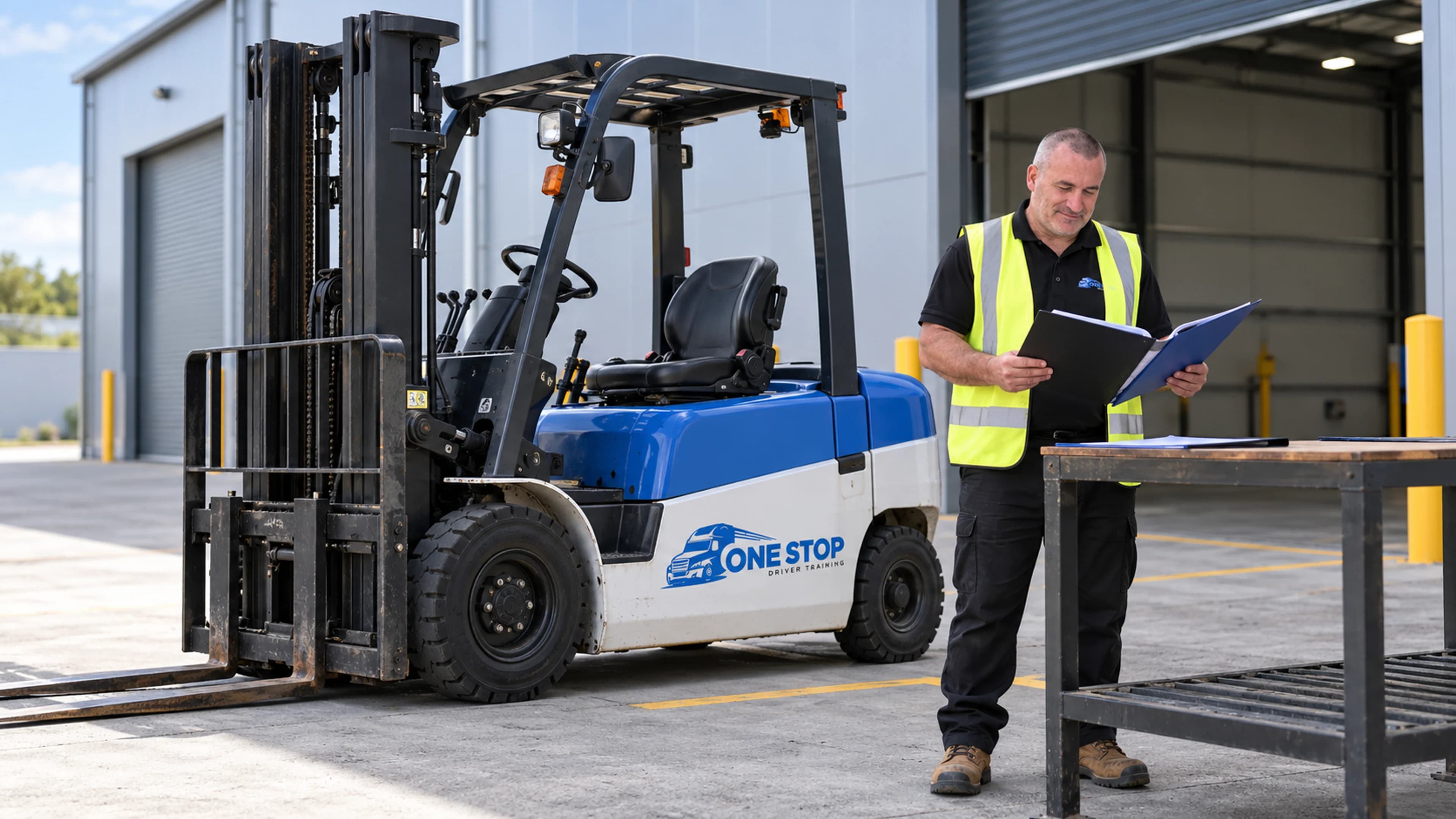
Imagine a role that includes driving a delivery truck and helping unload at a depot. The driving requirement must be checked for the truck. Next, find out what helping unload actually means: the driver may use equipment, work alongside another operator or have no equipment-operating role at all.
Only then can you discuss the additional preparation. A worker should not book a forklift course because all delivery drivers supposedly need one. Equally, an employer should not leave equipment duties unexplained until the first shift. The example is a way to structure questions, not a statement about any particular vacancy.
Try a machinery-and-transport example
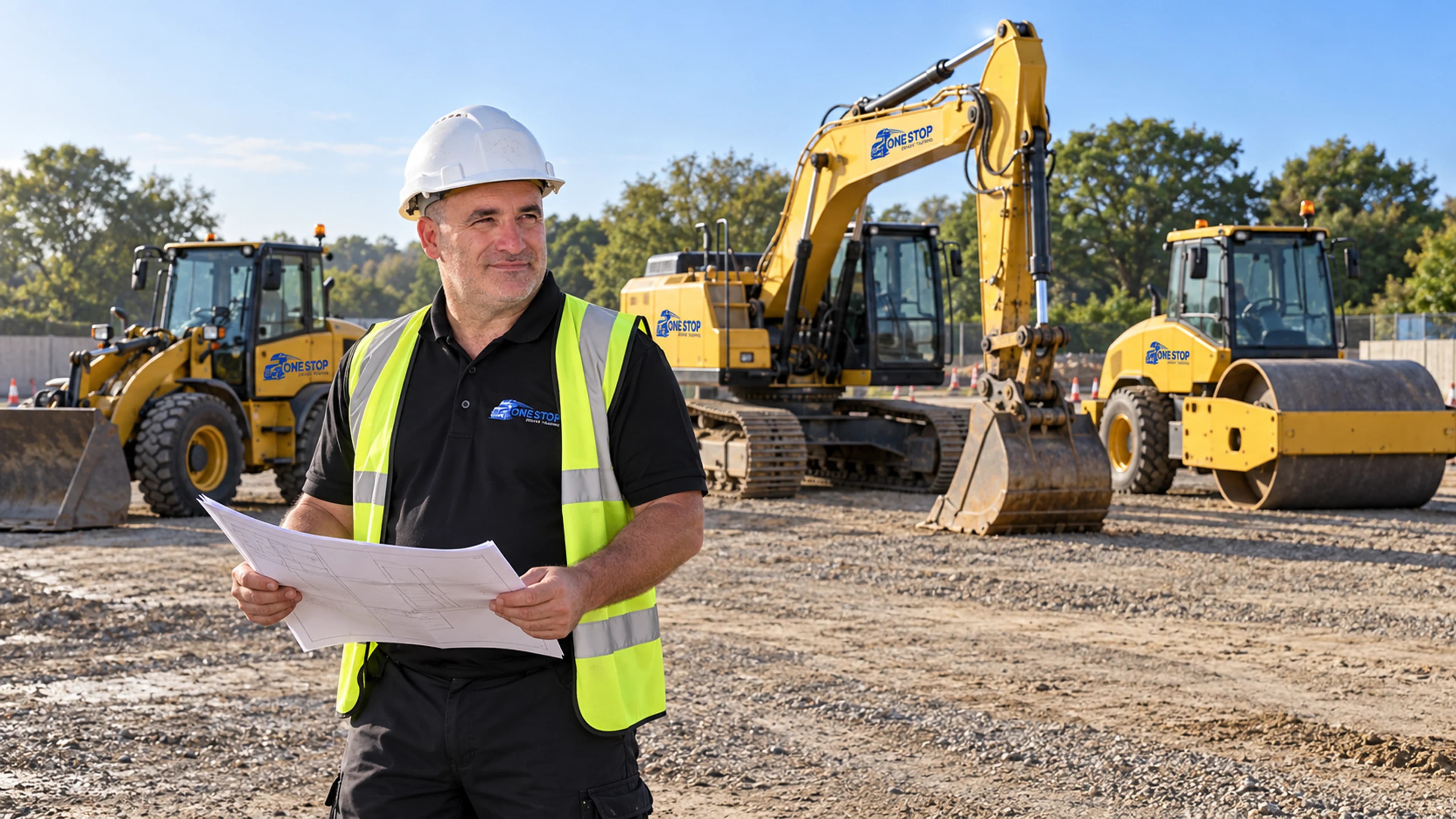
A civil-work role may involve operating plant and travelling to different sites. Ask whether the worker drives the plant on a road, transports it using another vehicle, or only operates it after another person delivers it. Each version describes a different set of responsibilities.
List the machines and movements separately. Ask the employer which tasks a new starter will be assigned initially and which may be introduced later. You can then discuss a staged training plan instead of treating all possible future duties as an immediate requirement. Resolve uncertain licensing details with the relevant provider or NZTA.
Put workplace readiness beside the documents
WorkSafe’s worker-training guidance concerns training and supervision suitable for the task. Documents are useful evidence, but the employer also needs to consider the work that happens at the site.
A practical plan can pair each duty with the person who will introduce it, the evidence already available and any remaining learning. Avoid a row marked competent without saying what it covers. A more helpful record might identify a specific task that has been demonstrated and a different task that still needs instruction. This makes the next conversation concrete.
Agree what is needed now and what can follow
Ask the employer to distinguish entry requirements from later development. If a course package is proposed, check how each component connects to your current or planned duties. Ask for the quotation and outcomes in writing so there is a shared understanding.
Revisit the plan when the role changes. The right combination for your first month may not cover a different machine or transport assignment introduced later. An accurate task-based plan can grow with the job without making the misleading claim that two pieces of paper are either always necessary or always sufficient.
- Describe the vehicle, load, equipment and location.
- Name each requested document accurately.
- Confirm the requirement with the employer.
- Connect each training item to a duty.
- Record what is still to be introduced or assessed.
Common questions
Do all truck drivers need two licences?
No. Requirements depend on the vehicle and duties. Some work involves an additional endorsement or equipment training; other work does not. Ask about the actual role rather than adopting a blanket rule.
Can a certificate replace an endorsement?
Do not treat the terms as interchangeable. Ask the provider what the certificate demonstrates and whether a separate endorsement application is part of the pathway.
Is a combined course always cheaper?
Compare written quotations and the components you genuinely need. A package price is not automatically better value if it includes unrelated training or leaves out a required step.
Sources and further reading
- NZTA: Getting a D, F, R, T or W endorsement
- NZTA: Driver licence classes and vehicle weights
- WorkSafe: Providing worker training and supervision
Check the linked official guidance when planning an application or test. A training booking is separate from applying for a licence.