Training areas
Good training.
Closer to your everyday life.
One Stop works with drivers across Manawatū, Palmerston North, Horowhenua, Levin and Kāpiti. Find the guide that fits where you live, work or plan to learn.
Lesson meeting points and course venues are agreed with you before the session.
Find your starting point
Explore the service areas.
Regional guides join up different training pathways. Town guides focus on the local learning questions and practical arrangements that help you use a session well.

Manawatū
A regional starting point for car learners, people moving into heavy vehicles and workplaces planning practical training.
Town skills, rural journeys and training for work
Palmerston North
Plan ahead in town: clear directions, observation and practical feedback for the journeys you want to make.
Observation and decisions in an urban setting
Kāpiti Coast
Build a plan across the Coast’s communities, with clear lesson arrangements and practice that fits your actual week.
A practical plan across coastal communities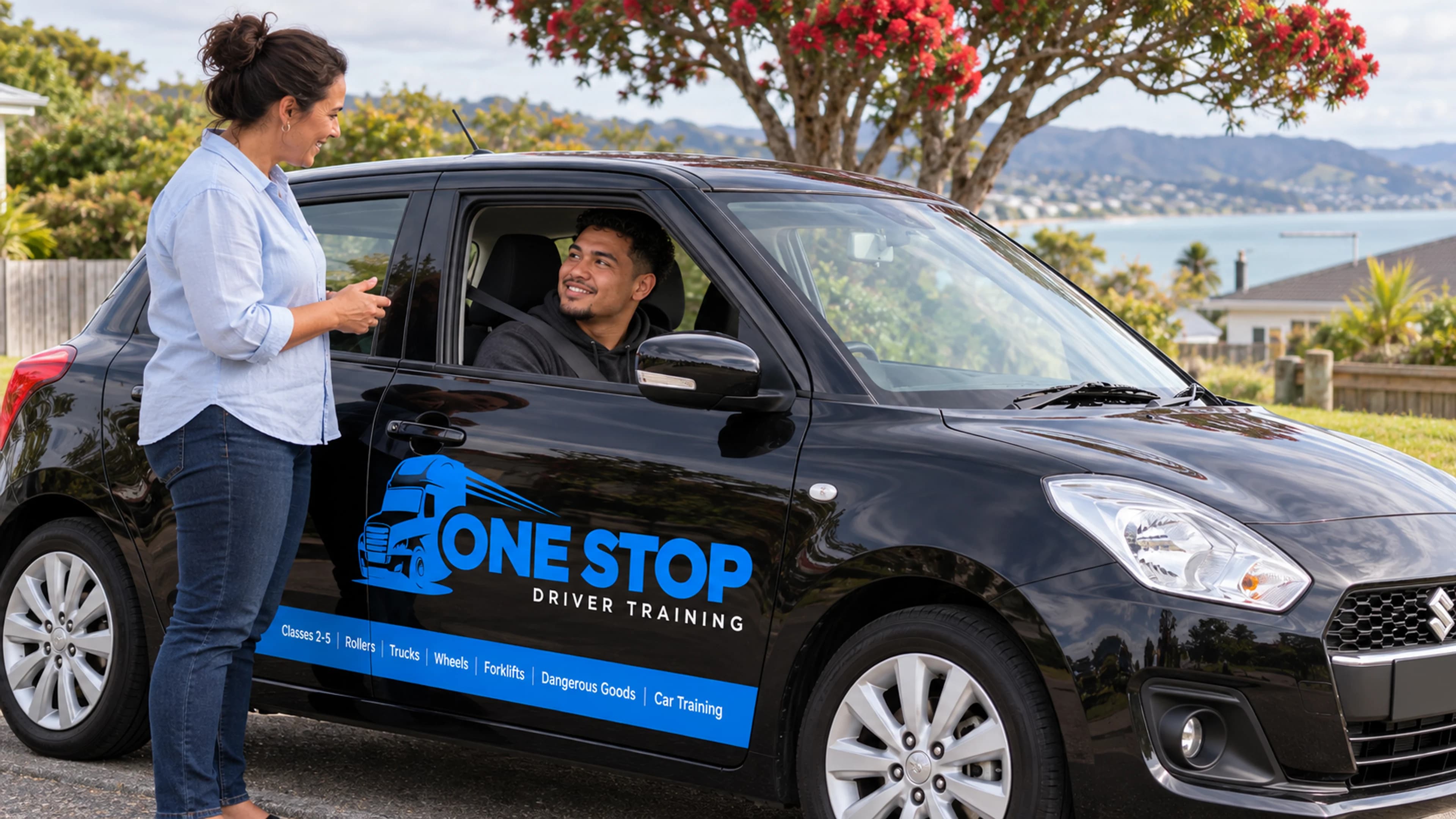
Paraparaumu
A focused local guide for beginning practical lessons and building confidence in journeys around town and the beach.
Useful local lessons, from the first conversation onward
Levin
Connect town driving with rural journey preparation, and organise the practical details before committing to a course.
A clear next step for town and rural driving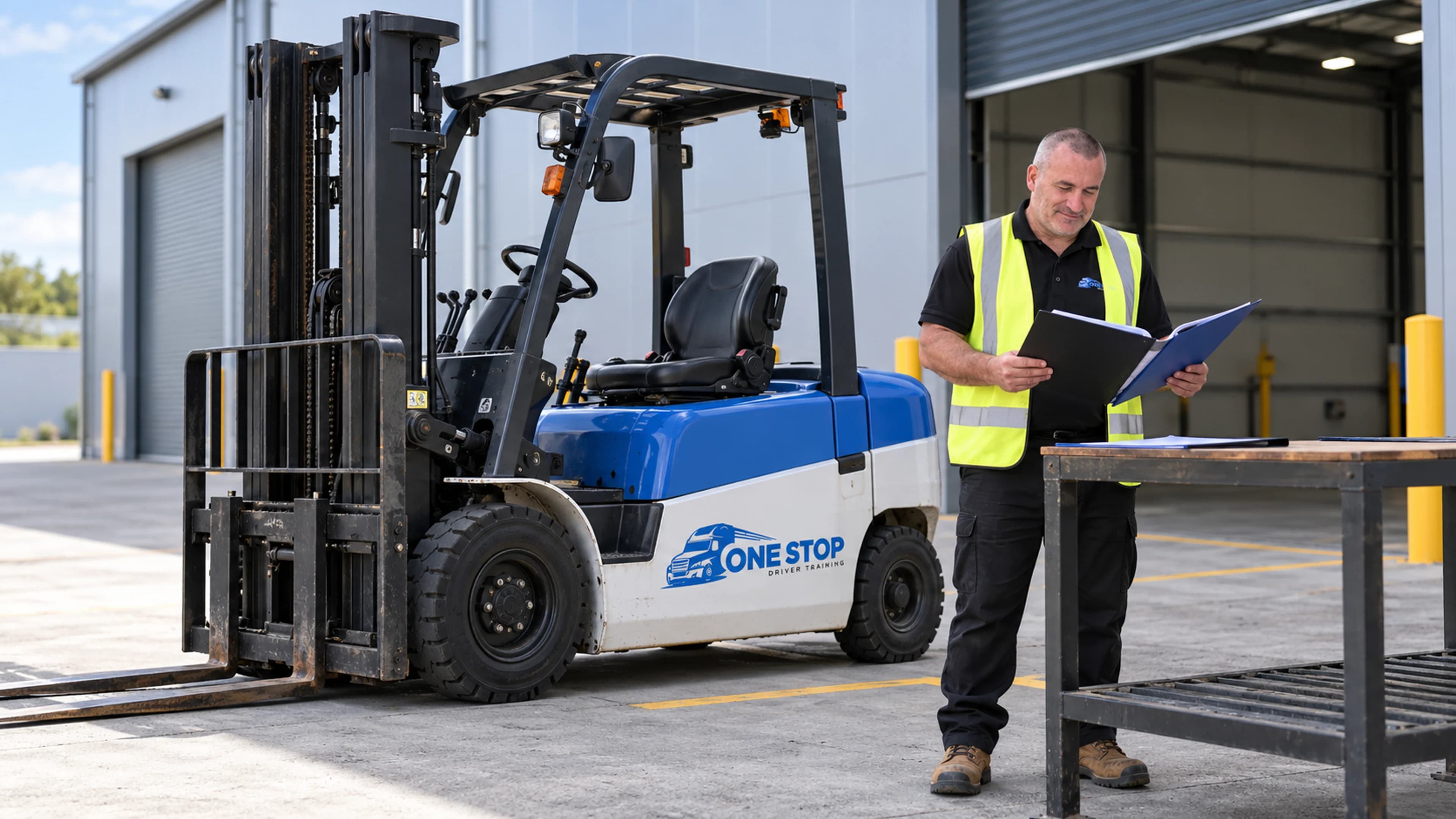
Horowhenua
A district-wide guide for rural households and workplaces coordinating people, vehicles and practical training goals.
Rural travel and workplace learning across the districtStart with what you need
Choose the training pathway.
Your location helps organise the session. Your licence, experience and goal help choose the training itself.
Car lessons
Choose learner lessons, restricted preparation or full licence preparation according to the licence you hold and the feedback you need. Explain your practical experience in everyday language, including any time away from driving. A useful starting point connects the next manageable skill to the journeys you eventually want to make.
Choose car lessonsTruck pathways
Explore Class 2, Class 4 and Class 5 training. Begin with your existing licence and the vehicle you need for the work, then discuss the preparation and course arrangements with the team. If an employer is involved, bring the actual job duties into the conversation so the training plan answers the right questions.
Choose truck pathwaysWorkplace training
Discuss forklift operator training, wheels, tracks and rollers endorsements, and dangerous goods training for individuals or teams. Describe the equipment, the people attending and whether the enquiry concerns first-time or refresher training. Worksite delivery options and the way staff will participate can then be planned around the actual operation.
Choose workplace trainingMake the next step useful
Build a plan around your real week.
Tell the team what you can already do and what you find difficult. For a car lesson, one clear example is more useful than a label such as “beginner” or “nearly ready”. For a work requirement, explain the vehicle or equipment and the tasks involved. This helps connect the enquiry to a useful next action.
Think about the support around the session too: transport there and home, a realistic practice window, or who will coordinate a workplace group. If you are travelling from another community, leave room to arrive ready to participate. A simple written plan makes it easier for a learner, family member or employer to keep the arrangements consistent.
After training, ask for an observation, a question and a next step that you can revisit. The driving guides expand on these practical questions, including preparing for a first lesson, moving from a car licence into truck training and coordinating employer training.