Licences & work
Moving from a car licence to truck training: a practical plan
Start by checking your current full car licence and the heavy-vehicle pathway that matches your goal. Gather the relevant dates and documents, discuss preparation with a provider and budget for the whole process. Course attendance, successful completion and licensing administration are separate milestones.
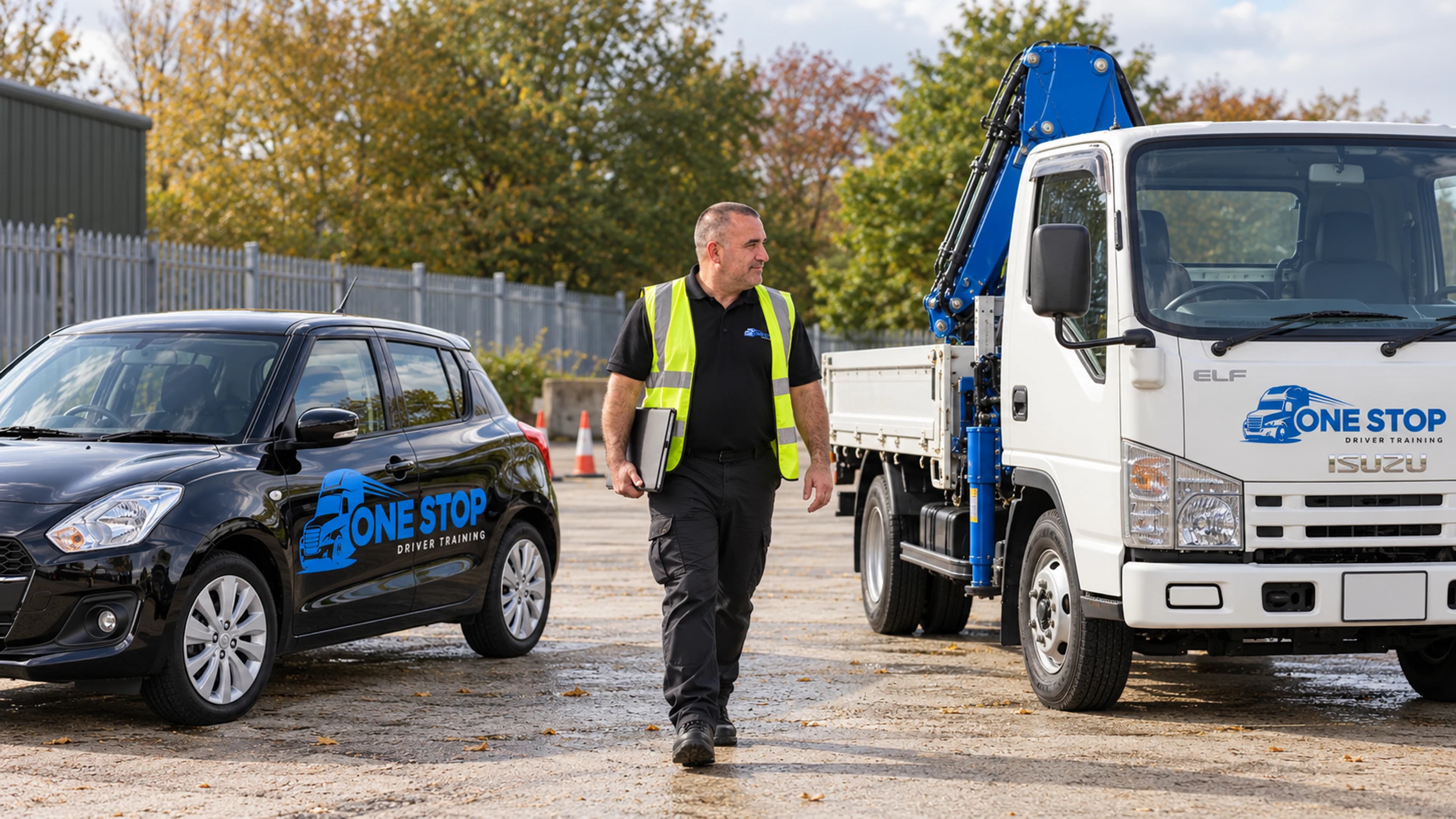
Your first truck-training enquiry does not require a complete career plan. It does help to know why you want the licence and what experience you bring. You may be preparing for a specific employer, exploring local delivery work or considering a longer-term transport role.
This guide offers an order for those early decisions. It is designed to help you organise training, not to teach heavy-vehicle driving from written instructions.
Choose a practical starting goal
Describe the work that interests you in ordinary language. For example, you may want to investigate local deliveries or understand the pathway an employer has suggested. Then ask what vehicle and duties sit behind that goal.
Avoid committing to every future licence class at once. A first conversation can identify the next relevant step and what information is still missing. If you have a job advertisement, bring it. If you do not, bring a short description of the kind of work and working arrangements you want to explore.
Check your current licence and eligibility
NZTA’s heavy-vehicle learner guidance says a Class 2 learner applicant must have held a full Class 1 licence for at least six months. Other application requirements also apply, so check the current process before booking around an assumed date.
Have your licence details and relevant dates available. Tell the provider about any uncertainty in your record instead of assuming a course will resolve it. Ask what needs to happen before attendance, what documents to bring and which questions should be checked with a licensing agent. Keep those answers in one place.
Source: NZTA: Heavy vehicle learner licence prerequisites
Planning your training? Choose your truck class and check the options for your next step.
Understand the learner-to-full pathway
NZTA sets out learner and full stages for heavy-vehicle licences. Its approved-course guidance describes a course pathway after obtaining the relevant learner licence, followed by a full-licence application with a licensing agent.
Ask the provider to explain the steps in the order they apply to you. Mark each as not started, booked or completed. This simple distinction prevents a training reservation from being mistaken for an entitlement already held. If an employer is waiting for an update, tell them which milestone you have reached rather than saying the licence is sorted.
| Planning milestone | Question to resolve |
|---|---|
| Starting eligibility | Do my current class and dates meet the pathway? |
| Learner application | What must I complete before the course? |
| Preparation | What should I study or practise with instruction? |
| Training and assessment | What is included and how is readiness assessed? |
| Administration | What application follows successful completion? |
Source: NZTA: How to get your heavy vehicle driver licence · NZTA: Approved heavy vehicle courses
Prepare to learn rather than to appear experienced
Tell the trainer what feels unfamiliar. Moving into a larger vehicle can raise questions about observation, planning, vehicle checks and managing information. Naming those questions helps the trainer understand your starting point.
Use the provider’s preparation materials and the official road code they recommend. Make a list of anything you cannot explain in your own words. Ask how to get help before the course if needed. You do not have to pretend car-driving experience is truck experience; an honest starting point makes the learning conversation much more useful.
Budget for time and logistics as well as tuition
Ask for a written quotation that identifies training, assessment, vehicle arrangements and possible additional costs. Check what is excluded and what happens if you need further preparation. Keep any separate licensing-agent costs distinct from the provider’s fee.
Also plan travel, leave from work and arrangements at home. A course that is easy to attend can be more practical than one that appears cheaper but creates difficult logistics. Do not promise an employer a fixed completion date until the prerequisites and process are understood, and leave room for an assessment outcome that needs further work.
Plan what happens after the course
If you have a prospective employer, discuss how the workplace will introduce its vehicles, routes and operating arrangements. Ask who will help with unfamiliar duties. If you are still job hunting, update your CV accurately and keep evidence of completed stages available.
Use the first few conversations after training to identify the next useful learning goal. That may be familiarisation with an employer’s operation rather than another licence upgrade. A strong progression plan connects each step to actual work, records what remains outstanding and lets you ask for support before taking on unfamiliar responsibilities.
- Check the licence and dates you currently hold.
- Connect the next step to a real work goal.
- Clarify prerequisites and course outcomes.
- Arrange study support and practical logistics.
- Complete the required licensing administration.
- Discuss the workplace introduction separately.
Common questions
Can I move straight from a learner car licence to Class 2?
NZTA’s Class 2 learner prerequisite is a full Class 1 licence held for at least six months. Check the current application requirements and your individual record before booking.
Does passing an approved course finish every administrative step?
NZTA instructs successful course participants to take the course certificate to a licensing agent and apply for the full licence. Ask the provider to explain that handover.
What if I have no truck experience?
Explain that when enquiring. Ask about preparation, the course’s intended starting level and what additional instruction may be appropriate. Do not rely on a general promise that everyone will finish in the same time.
Sources and further reading
- NZTA: Heavy vehicle learner licence prerequisites
- NZTA: How to get your heavy vehicle driver licence
- NZTA: Approved heavy vehicle courses
Check the linked official guidance when planning an application or test. A training booking is separate from applying for a licence.