Licences & work
Class 2 licence requirements in NZ: learner to full
The usual Class 2 entry requirement is a full Class 1 licence held for at least six months. Apply for Class 2 learner with the required identity, eyesight, medical and theory-test steps. Then follow the learner conditions and complete either the approved-course route or the required learner period and practical-test route before applying for full Class 2.
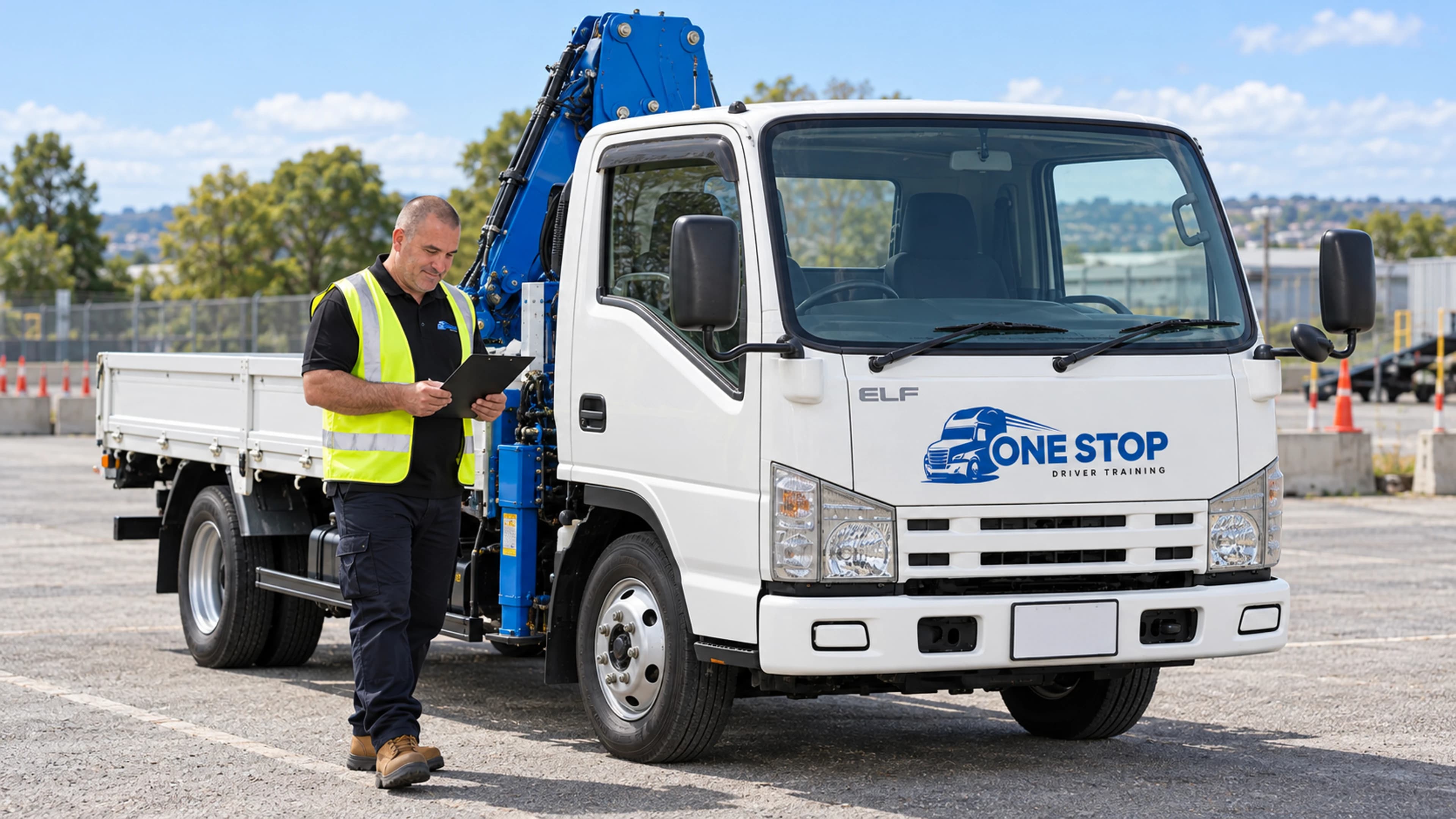
Class 2 is often the first heavy-vehicle class a car driver considers. The application process is easier to plan when you separate eligibility, the learner application, practical preparation and the full-licence outcome. These are connected steps, but completing one does not automatically complete the others.
The requirements below describe the New Zealand Class 2 pathway checked against NZTA guidance on 23 October 2026. Your licence history, current conditions or medical circumstances may need individual clarification. Resolve those questions with the licensing agent or NZTA before committing to a training date.
Confirm that Class 2 covers the intended vehicle
NZTA’s Class 2 table includes rigid vehicles with a gross laden weight of 6,001–18,000kg, and certain heavier rigid vehicles with two axles or fewer. Other cases also appear in the official table. Do not use a vehicle’s appearance, an empty weight estimate or the label small truck as the classification check.
Ask the vehicle owner or prospective employer for the configuration and recorded weight information. Include any trailer in the discussion. If you expect to operate workplace machinery as well, list that separately; a Class 2 application should not be assumed to include the relevant endorsement or workplace training for another machine.
Check your full Class 1 holding period
NZTA requires a full Class 1 licence held for at least six months before the usual Class 2 learner application. Check the full-licence date, rather than the date you first became a car learner. If you are unsure how an earlier or overseas entitlement is recorded, ask the licensing agent to confirm your position.
Do not assume that being 25 or older removes this initial prerequisite. The age-based accelerated progression provisions described for later heavy classes are a separate issue. Tell the provider your exact starting class and date so a discussion about an approved course does not become a mistaken promise that every waiting period disappears.
Source: NZTA: Stage 1 — heavy vehicle learner licence
Planning your training? Choose class 2 training and check the options for your next step.
Prepare the learner application and health evidence
The learner application is made through a driver licensing agent. NZTA lists identity evidence, the applicable theory test, eyesight requirements, medical evidence, a photograph, signature and payment among the application steps. Confirm what the agent needs before visiting, especially if your records or identification need updating.
Heavy-vehicle medical evidence uses the commercial medical standard. NZTA says a previous certificate may satisfy the requirement when provided within the last five years for the same medical standard, subject to the listed exceptions. Ask whether your existing evidence is suitable; do not assume that a car-licence medical or an employer health check is interchangeable.
Arrange a health-practitioner appointment early enough to deal with any follow-up, but check certificate timing before booking far ahead. NZTA’s application guidance says a newly supplied driver-licensing medical certificate must be no more than 60 days old. Keep medical questions with the practitioner and licensing authority, while telling the provider about any practical arrangements it needs to make.
| Prepare | Question to resolve |
|---|---|
| Current licence and dates | Has the full Class 1 prerequisite been met? |
| Accepted identity evidence | What will this licensing agent need to see? |
| Eyesight and medical evidence | Is the evidence suitable for this application and current enough? |
| Theory preparation | Which heavy-vehicle material and test arrangements apply? |
| Budget | Which application, practitioner and training charges are separate? |
Source: NZTA: Stage 1 — heavy vehicle learner licence · NZTA: How to show that you are medically fit · NZTA: Heavy vehicle driver licensing application requirements
Use the learner stage for supervised preparation
A Class 2 learner licence is not permission to drive the class independently. NZTA’s heavy-vehicle learner conditions require an appropriate supervisor beside you. Check the supervisor’s entitlement and the applicable conditions before arranging practice, rather than assuming any experienced workmate can supervise a learner truck driver.
Make each practice session purposeful. Ask the instructor to identify the vehicle skills that need attention and agree how feedback will be recorded. Vehicle positioning, observation and understanding the controls should be developed with suitable support. Do not turn a planned delivery or work shift into informal practice without first resolving the lawful supervision and workplace arrangements.
Choose between the approved course and practical-test routes
NZTA sets out two routes to full Class 2: supervised practice on the learner licence for at least six months followed by the practical test, or successful completion of an approved Class 2 course. The approved-course route does not require that learner waiting period or a separate practical test at the agent.
An ordinary lesson is not automatically an approved licensing course. Confirm which course is being offered, what assessment it contains and what happens if you need more training. A waiver of the learner waiting period is not a guaranteed pass or a guarantee that you can safely complete all learning in one advertised block.
Ask for an itemised quotation that distinguishes provider charges from official application fees and any extra practice. Include travel, time away from work and medical appointments in your budget. If another organisation is paying, agree what it has approved before booking so you do not rely on an assumption about reimbursement.
Complete the agent step and keep the outcome clear
After successful approved-course completion, NZTA instructs you to take the certificate to a licensing agent and apply for the full licence. Keep following your current conditions until the licensing process has established the new entitlement. Course attendance, a certificate and a full licence are not three names for the same document.
Keep the completion paperwork and a simple list of any remaining actions. If the application does not match what you expected, ask the agent or provider to explain the gap. For a regional enquiry, confirm the actual training and administrative arrangements directly; a Manawatū or Palmerston North location page is a planning starting point, not a confirmed booking.
Common questions
Can I go straight from a restricted car licence to Class 2 learner?
The usual NZTA prerequisite is a full Class 1 licence held for at least six months. A restricted car licence does not meet that stated prerequisite. If your licensing history is unusual, get an individual answer from NZTA or a licensing agent.
Does an approved course remove every waiting period?
No. The approved Class 2 full-licence course route addresses the learner-to-full stage. It should not be confused with the full Class 1 prerequisite for the initial Class 2 learner application. Ask which stage any advertised time reduction actually concerns.
Source: NZTA: Stage 1 — heavy vehicle learner licence · NZTA: Approved heavy vehicle courses
Do I need a separate practical test after an approved Class 2 course?
NZTA says successful completion of the approved course replaces the separate practical-test route. You still need to complete the relevant licensing-agent application using the course certificate. An ordinary lesson does not necessarily qualify as an approved course.
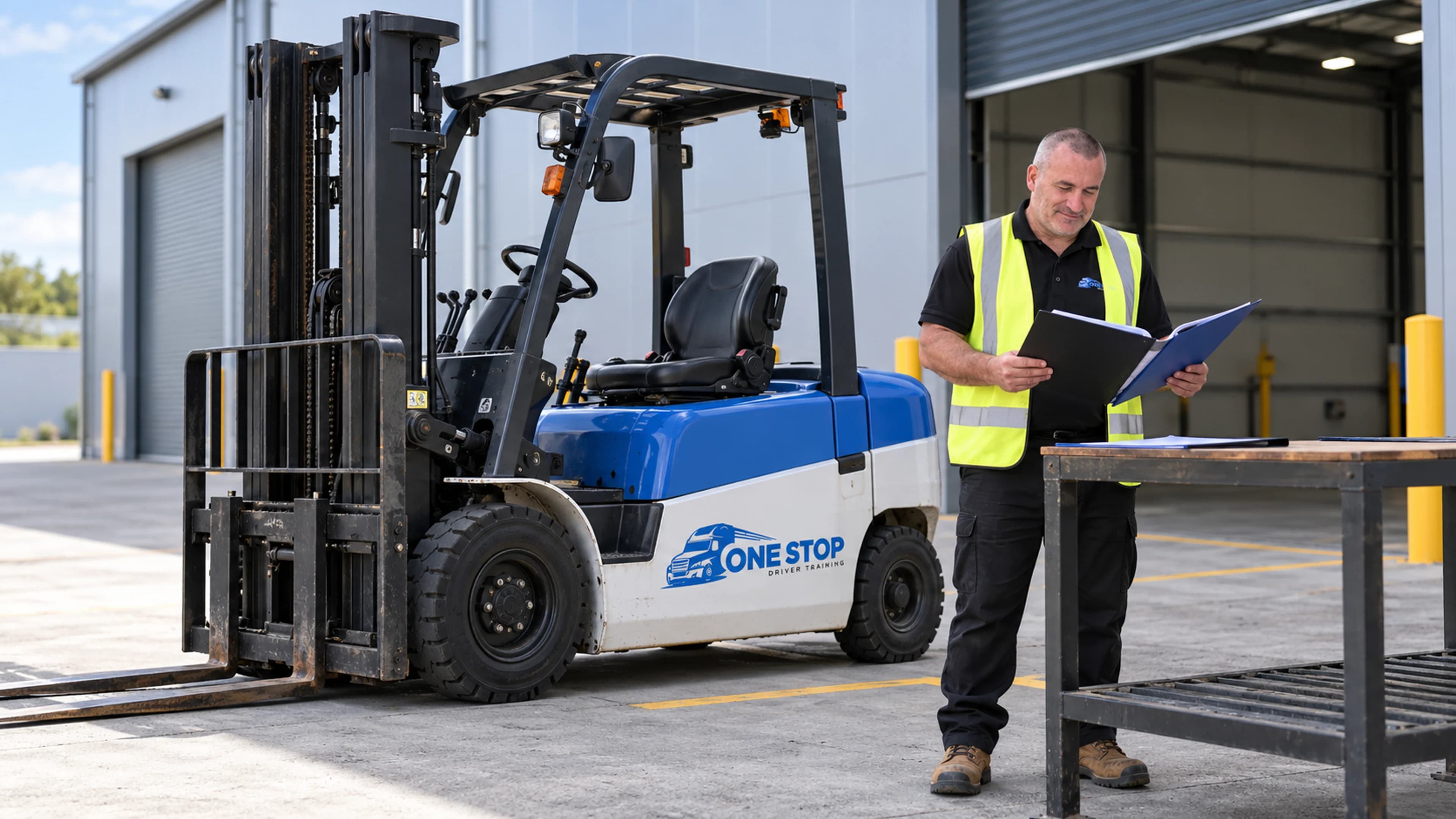
Does Class 2 automatically cover forklift operation?
Treat forklift work as a separate question. Confirm the vehicle, location, endorsement and workplace training needed for the actual duties. Do not interpret a truck licence as evidence that you are competent on every piece of equipment at an employer’s site.
Sources and further reading
- NZTA: Driver licence classes — what you can drive
- NZTA: Stage 1 — heavy vehicle learner licence
- NZTA: How to show that you are medically fit
- NZTA: Heavy vehicle driver licensing application requirements
- NZTA: Approved heavy vehicle courses
- NZTA: Stage 2 — heavy vehicle full licence
Check the linked official guidance when planning an application or test. A training booking is separate from applying for a licence.