Licences & work
Class 2 vs Class 4: which truck licence fits your next step?
Class 2 and Class 4 relate to different heavy-vehicle entitlements. Start with the vehicle your work requires, then check your present licence and eligibility to progress. A larger class is useful when it matches a real need; it is not automatically the best first purchase for every driver.
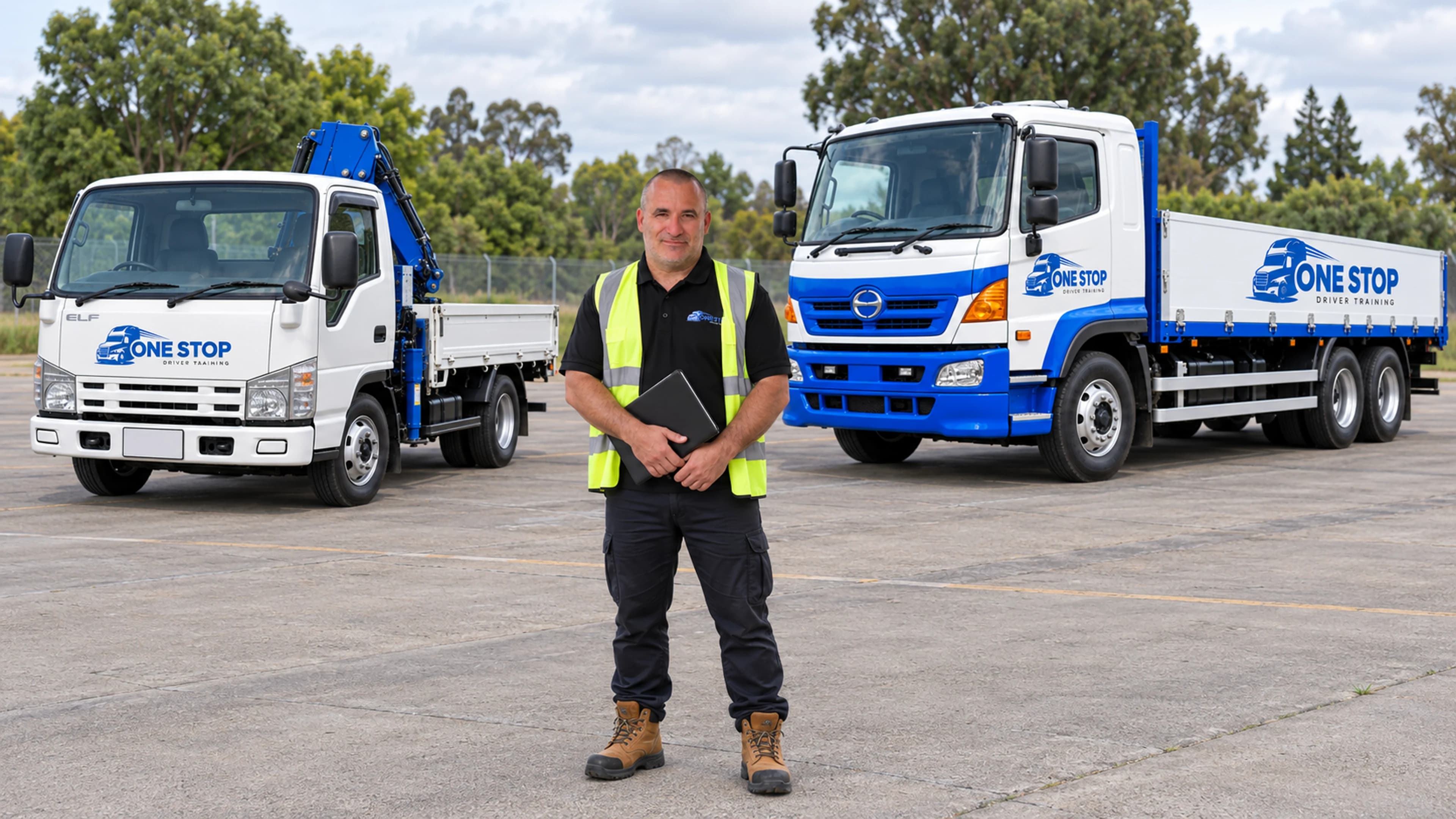
A larger truck in a job advertisement does not tell you everything about its licence requirements. Class 2 and Class 4 are often discussed as career steps, but the sensible choice begins with vehicle information and your own starting point.
Use this comparison to prepare for an employer or training-provider conversation. It is a planning guide, not a substitute for checking the full NZTA vehicle classification and your individual eligibility.
Understand the headline distinction
NZTA describes Class 2 as medium rigid and Class 4 as heavy rigid. Typical Class 2 rigid coverage is 6,001–18,000 kg gross laden weight (GLW), with an exception for heavier rigid vehicles having no more than two axles. Class 4 covers rigid vehicles above 18,000 kg GLW. Check the full table rather than deciding from appearance alone.
Request the vehicle’s loading information and details of any trailer. Note what the employer expects you to drive on an ordinary shift and what you might cover during staff absences. A course chosen around the usual vehicle may not address a different relief-driving assignment.
Compare the next task, not just the next number
Think about the work you expect to do over the coming months. Someone starting a local delivery role has a different decision from an experienced driver whose employer is adding heavier rigid vehicles. The useful question is which capability is missing from your actual plan.
Write your current and proposed roles side by side. Include the vehicle, route pattern, loading tasks, customer sites and supervision available. If the only reason for upgrading is that the number sounds better, gather more information before committing time and money.
| Decision point | Class 2 enquiry | Class 4 enquiry |
|---|---|---|
| Work goal | First suitable medium-rigid role | A role requiring heavy-rigid entitlement |
| Starting evidence | Current licence and relevant experience | Current licence, holding dates and experience |
| Vehicle questions | Exact vehicle and any trailer | Exact vehicle and any trailer |
| Training discussion | Foundation and practical preparation | Progression and gaps for the new task |
Planning your training? Choose your truck class and check the options for your next step.
Check the progression requirements early
NZTA’s learner guidance sets prerequisites for moving between classes and includes different arrangements for drivers aged 25 or over. Ask a provider to check your current licence and relevant dates before you treat a course date as a confirmed route to the next class.
Keep documents together and distinguish an eligibility check from a booking. Explain any previous heavy-vehicle training and provide the records you have, rather than relying on memory. If a record is missing, find out how to retrieve it before arranging leave or promising an employer a completion date.
Use experience to identify learning priorities
Write down situations you want to become more comfortable with, such as unfamiliar delivery sites, vehicle checks, route planning or communicating during manoeuvring. This is more useful to a trainer than saying you are confident or nervous without examples.
If you already drive professionally, discuss the habits your current work has built and the tasks you have not encountered. Experience with one fleet does not make every other vehicle familiar. Ask how the proposed training will connect with your starting point and what additional practice might be recommended if the assessment shows gaps.
Budget for the whole transition
Compare quotations on the same basis. Ask about the training included, vehicle arrangements, assessment, any further training, administrative steps and cancellation terms. A short advertised duration may describe attendance rather than everything you need to organise.
Also consider travel, time away from paid work and the employer’s introduction after training. If your upgrade supports a specific business need, discuss whether the employer can help with scheduling or supervised familiarisation. Record those arrangements before assuming that somebody will supply a suitable vehicle or give you practice time.
Choose an outcome you can verify
Define success as having the correct entitlement and being ready for the intended work, with any further support identified. Ask the provider to explain the paperwork following an approved course and what you still need to do with a licensing agent.
NZTA distinguishes course completion from the subsequent full-licence application. Put that administrative step in your calendar and tell the employer where you are in the process. When your duties later change, revisit the vehicle and training checks rather than assuming the earlier decision covers every future assignment.
- Confirm the vehicle information in writing.
- Check your licence stage and eligibility dates.
- Compare complete quotations and practical support.
- Allow for licensing administration and workplace introduction.
Common questions
Is Class 4 always better than Class 2?
It is useful when your planned vehicle and work require it. Decide from the job and your progression eligibility, not from the idea that a higher number automatically produces a better employment outcome.
Can I choose the class from the truck’s appearance?
No. Obtain the vehicle’s relevant weight and configuration information and compare it with NZTA’s complete class table. Informal descriptions and photographs alone can leave important details out.
Does a course booking mean I can start the new role immediately?
No. Confirm prerequisites, successful completion, licensing administration and the employer’s requirements before agreeing to a start date. Training and assessment outcomes cannot be assumed in advance.
Sources and further reading
- NZTA: Heavy vehicle licence classes
- NZTA: Heavy vehicle learner licence prerequisites
- NZTA: Approved heavy vehicle courses
Check the linked official guidance when planning an application or test. A training booking is separate from applying for a licence.