Licences & work
Class 4 vs Class 5: planning for rigid or combination work
Class 4 is associated with heavy rigid vehicles; Class 5 covers heavy combinations within NZTA’s classification. The right next step depends on the vehicle configuration and work you intend to do. Confirm progression requirements and practical preparation before agreeing to a job or booking training.
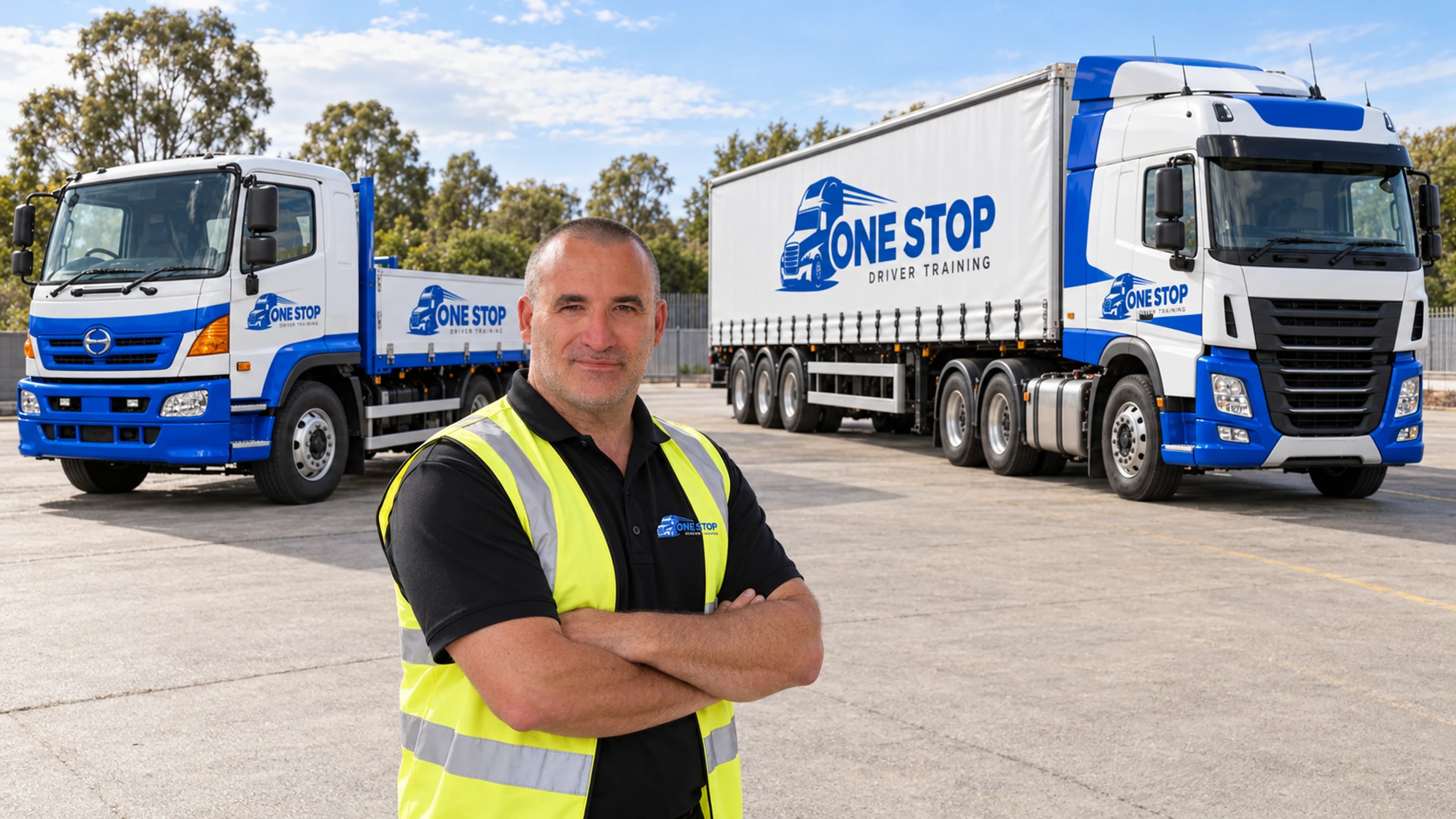
Moving to combination work is a change in the task, not simply another number on a licence. If an employer has mentioned Class 5, ask which vehicles and duties prompted that request.
This guide helps you compare the two pathways and prepare a useful brief for a trainer. It does not offer a driving procedure or replace instruction for a specific vehicle combination.
Check the actual configuration
NZTA’s classification distinguishes heavy rigid vehicles from heavy combinations. Class 5 covers combinations above 25,000 kg gross combined weight (GCW) and the vehicles covered by Classes 1–4. Class 4 should not be treated as permission to drive every truck with a trailer; configuration and weight still matter.
Ask for the planned vehicle combination and its documented details. If a business changes trailers between runs, find out which combinations a new driver may be assigned. Keep a note of the information the provider uses to identify your pathway, so the employer and trainer are discussing the same task.
Compare the work you want to do
Think beyond the open-road journey. A potential role may include depot movements, customer deliveries, paperwork, loading coordination and unfamiliar sites. Ask an employer to describe a normal shift and a difficult shift, then note the situations you would need help learning.
Consider your preference for route patterns and working arrangements without assuming every Class 5 job has the same schedule. There can be considerable variation within a licence category. A realistic conversation about duties helps you decide whether progression suits your circumstances as well as your ambitions.
| Compare | Ask about rigid work | Ask about combination work |
|---|---|---|
| Vehicle assignment | Which rigid vehicles are used? | Which truck and trailer combinations are used? |
| Sites | Which access points are unfamiliar? | What preparation is provided for unfamiliar sites? |
| Induction | Who demonstrates the company’s processes? | Who supports the transition into combination duties? |
| Experience | What evidence will the employer accept? | What additional familiarisation is planned? |
Planning your training? Choose your truck class and check the options for your next step.
Establish where you are in the pathway
NZTA’s learner prerequisites include the licence already held, the holding period and age-related progression arrangements. Have your current details checked rather than borrowing a timetable that applied to somebody else.
Prepare a simple record of licence classes, dates and previous courses. If you have been away from truck driving, explain that too. The provider needs an accurate starting point to discuss preparation. Ask which steps are prerequisites, which belong to the course and which remain your responsibility afterwards.
Tell the trainer what is unfamiliar
It can be tempting to minimise uncertainty when you already have heavy-vehicle experience. A more useful approach is to name the tasks you have not done and the situations in which you want structured feedback.
Bring examples from the intended job rather than trying to teach yourself procedures from a short article. You might ask how training addresses planning, observation, unfamiliar equipment and communication. The trainer can explain the scope of the course and identify where additional instruction or employer familiarisation would be appropriate. Ask how progress will be discussed during training, not only at the end.
Make the employer part of the transition
A course and a company introduction have different purposes. Discuss how your learning will transfer into the employer’s fleet and operating environment. WorkSafe identifies vehicles and mobile plant as areas with their own workplace risks; a licence decision is only part of that wider conversation.
A practical handover can identify the first assignments, a contact person and any tasks to delay until you have received further support. Ask for feedback after the first unfamiliar situations. This gives both you and the employer a clearer picture than a vague instruction to take it easy.
Agree the next action before setting a deadline
End your planning conversation with a short list of confirmed steps. These may include an eligibility check, a written quotation, preparation, attendance and licensing administration. Record assumptions separately from confirmed arrangements.
If a job depends on the upgrade, tell the employer what remains outstanding. A deadline cannot guarantee an assessment result or create experience. Keep space for further preparation if recommended. The useful outcome is a pathway matched to the intended work, with the paperwork and support understood by everyone involved.
- Get the intended combination details.
- Confirm your starting licence and prerequisites.
- Explain gaps in recent practical experience.
- Compare course scope and additional support.
- Keep the employer informed about outstanding steps.
Common questions
Does Class 4 cover any truck and trailer?
No. Check the complete NZTA classification for the specific vehicle and trailer configuration. Do not interpret a heavy rigid entitlement as unrestricted combination entitlement.
Should I get Class 5 as soon as possible?
Base the timing on a real work goal, eligibility and readiness to train. A useful progression plan also includes the practical introduction you will receive in the intended workplace.
Can my previous experience reduce preparation?
Discuss it with the provider and supply any relevant course records. Experience is valuable context, but its relevance to a particular course or unfamiliar task needs to be assessed rather than assumed.
Sources and further reading
- NZTA: Heavy vehicle licence classes
- NZTA: Heavy vehicle learner licence prerequisites
- WorkSafe: Vehicles and mobile plant
Check the linked official guidance when planning an application or test. A training booking is separate from applying for a licence.