Licences & work
What jobs can a Class 2 licence help you prepare for?
A Class 2 licence can support applications for suitable delivery, service and transport roles. Start with the actual vehicle and duties in a job description. The licence category does not promise employment or replace an employer’s checks of your experience, practical skills and readiness for their operation.
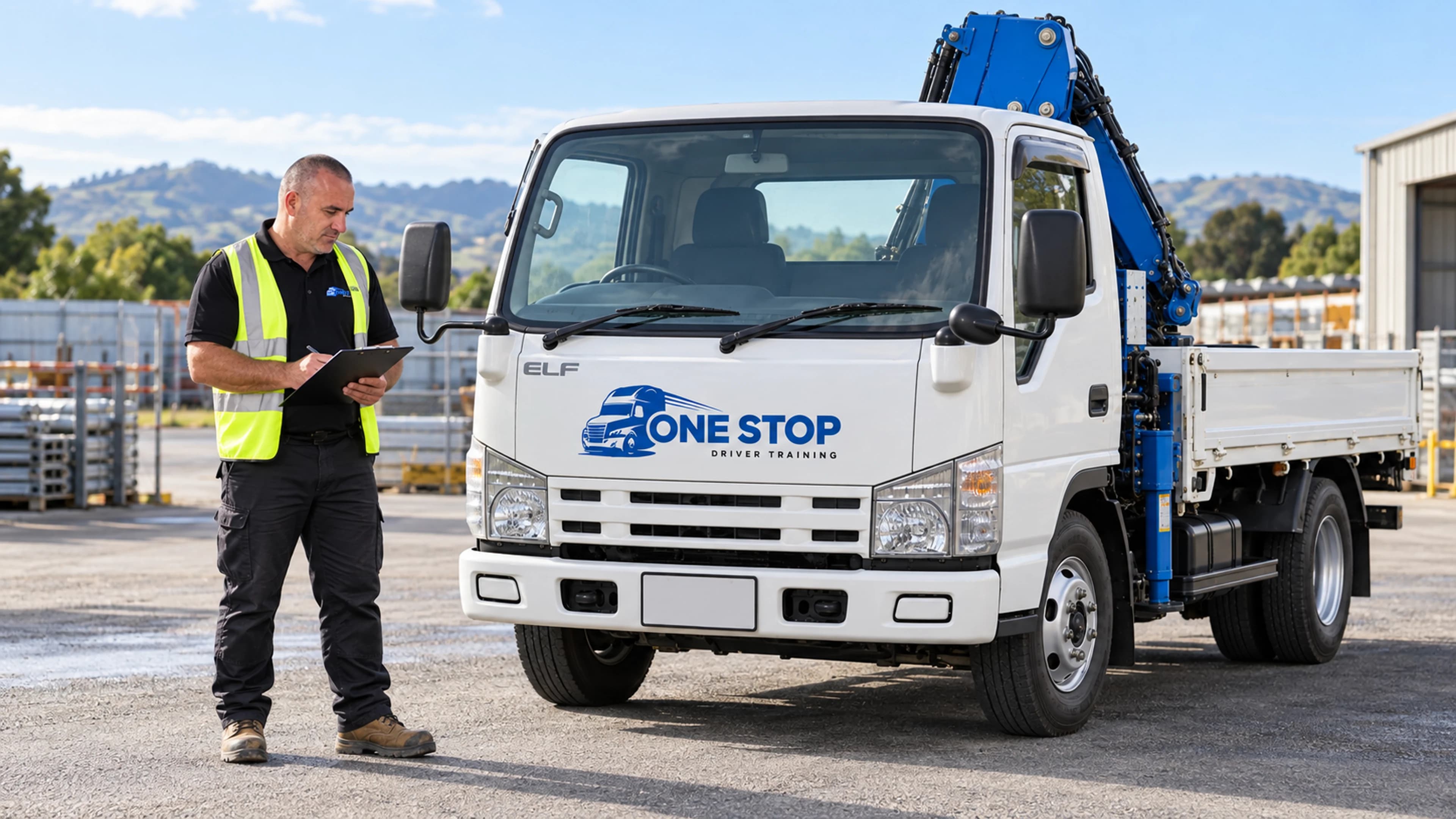
If you are moving from a car into work driving, job advertisements can feel like a wall of initials. Class 2, DG, forklift experience and loading duties may appear together, but they describe different parts of the role.
Build your plan around a real vacancy or a conversation with a prospective employer. A clear picture of the job helps you decide what to learn first and which additional training would be useful later.
Start with the vehicle, not the job title
Class 2 covers medium rigid vehicles and other vehicles specified by NZTA. A delivery title alone does not establish the required licence: different employers may use different vehicles for similar work. Check the vehicle’s classification against NZTA’s current table.
Ask the employer to identify the vehicles a new starter actually uses. A photograph can support the conversation, but written vehicle details are more useful than descriptions such as small truck. Include any trailer and ask whether your planned duties extend beyond driving that vehicle.
Look for duties you would enjoy doing
Possible roles to investigate include local deliveries, moving services, trade-supply distribution and some service-fleet positions. These are examples to research, not a list of current vacancies or confirmation that every vehicle in those sectors fits Class 2.
Read the whole advertisement. Repeated stops, customer conversations, early starts, unloading and paperwork can occupy much of a shift. Choose three advertisements and highlight the tasks you would enjoy, the tasks you need explained and the experience you can already demonstrate. This produces better questions than asking only what a truck driver earns.
Planning your training? Choose class 2 training and check the options for your next step.
Separate essential requirements from useful extras
Create a short comparison before paying for several courses. Mark each requirement as essential at application, needed before starting, or something the employer may teach. Confirm unclear wording with the employer rather than interpreting preferred as mandatory.
A licence class, an endorsement and a workplace skill answer different questions. NZTA explains that some heavy-vehicle work also requires endorsements. The exact combination depends on the operation. Do not assume that adding every available qualification is the fastest route into a suitable job.
| Advertisement says | Question to ask |
|---|---|
| Class 2 required | Which vehicles and trailer combinations will I drive? |
| DG preferred | What goods would I transport, and when is D required? |
| Forklift experience | Will I operate a forklift, and where? |
| Experience necessary | What supervised introduction is available? |
Prepare examples of transferable experience
You may already have useful work habits from retail, warehousing, farming or customer service. Explain them accurately: checking orders, reporting damage, following procedures, staying calm with customers or asking for help when information is missing.
Avoid turning ordinary car driving into claimed truck experience. Instead, prepare one concrete example of noticing a problem and responding responsibly. A prospective employer can understand that example and decide how it fits their operation. Keep your CV’s licence section factual, with the current class and any conditions clearly distinguished from training you intend to take.
Plan the first weeks as well as the course
Ask how a new driver learns the delivery area, customer sites, loading process and company paperwork. Request a named contact for questions during unfamiliar work. The quality of that introduction matters when you are applying classroom learning in a busy workplace.
Useful questions include whether you will observe an experienced driver first, how unfamiliar routes are reviewed, and how concerns are raised without pressure to improvise. WorkSafe’s training guidance emphasises suitable training and supervision for the work. Use that principle to discuss the specific support you need, rather than treating course completion as the end of learning.
Make a focused application plan
Choose a realistic first step: a particular role, a class of vehicle and a provider conversation. Keep the training quotation, expected administrative steps and time away from work together. This makes it easier to compare options without losing sight of the job you want.
Before accepting work, reconcile the written duties with your current licence and experience. If an employer adds a different vehicle or new equipment, reopen the discussion. A short, accurate training plan is more useful than a long list of certificates with no clear connection to your work.
- Save two or three relevant job descriptions.
- Ask for vehicle and duty details before choosing extras.
- Record what you already hold and what remains planned.
- Discuss supervision and induction with the employer.
Common questions
Does a Class 2 licence guarantee a driving job?
No. It addresses a licence requirement for suitable vehicles. Employers also make decisions about experience, duties, availability and practical readiness. Use actual vacancies to guide training rather than relying on a general employment promise.
Do I need a forklift qualification for every Class 2 job?
No. Ask whether you will operate a forklift at all. A role involving deliveries can have very different loading arrangements from another role with the same licence requirement.
Should I book Class 2 before choosing a job?
You can discuss Class 2 as a career step without a job offer. Bring examples of work that interests you so the training conversation is connected to actual vehicles and duties.
Sources and further reading
- NZTA: Driver licence classes and vehicle weights
- NZTA: Driving a truck or heavy vehicle
- WorkSafe: Providing worker training and supervision
Check the linked official guidance when planning an application or test. A training booking is separate from applying for a licence.