Licences & work
Wheels, tracks and rollers: choosing the endorsement you need
W, T and R are separate endorsements for relevant special-type vehicles on the road. Match the machine and its intended use to NZTA’s requirements, including the appropriate licence class. Then discuss workplace operating skills separately; an endorsement is not a universal statement of competence on every machine.
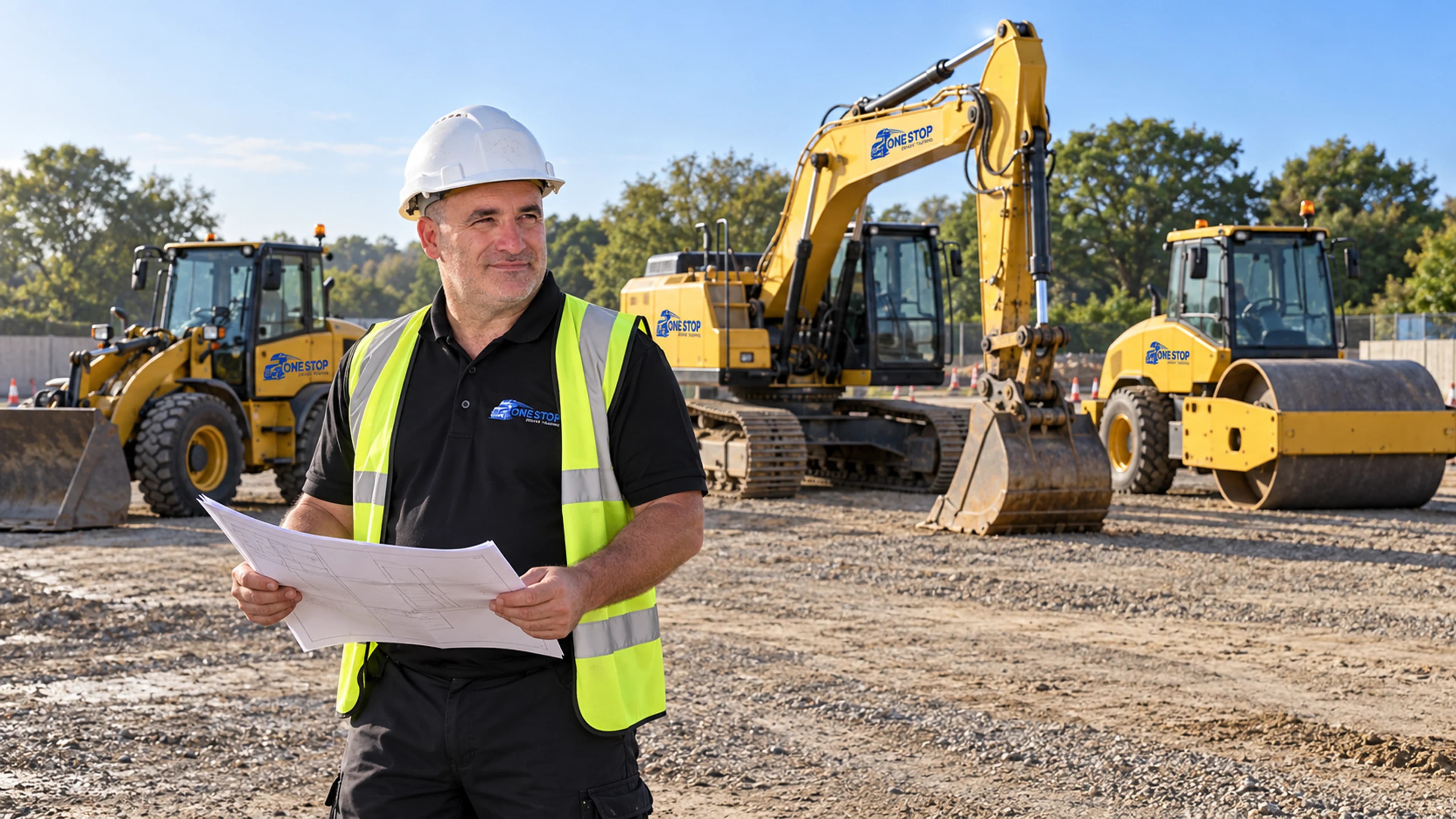
WTR is a convenient course label, but your work may involve one machine or several very different tasks. A person moving a roller, operating tracked plant or preparing for civil work needs a more precise conversation than simply asking for a machinery ticket.
Start with the machine your employer expects you to use. The information you gather before booking can prevent unnecessary training and reveal where more instruction is needed.
Identify the endorsement and the class together
NZTA distinguishes vehicles running on wheels, self-laying tracks and rollers. For relevant road use, the endorsement and the appropriate full licence class both matter; classification can depend on vehicle type, weight and speed.
Have the provider check the actual machine information against the current NZTA table. Do not assume W covers every wheeled vehicle: the category has exclusions. Record the machine’s description and the planned movements so the advice relates to a real task, rather than to an informal nickname used around the workplace.
Explain where the machine will travel
Prepare a simple route description covering the work area, shared access and any movement between sites. Note whether members of the public can enter the relevant areas. If you are unsure about road status, ask for a specific check rather than relying on a boundary fence or land ownership.
Consider occasional movements as well as daily work. A machine might normally stay in one area but be reassigned elsewhere. Tell the employer and provider about that possibility before training is selected, and agree who will review the requirements if the plan changes.
Planning your training? Choose wtr endorsements and check the options for your next step.
Separate road entitlement from the operating task
Someone may understand a road-licensing requirement yet still need instruction for the machine’s particular work. Ask what practical experience the employer expects before allocating duties, and what parts of that experience the proposed course actually addresses.
WorkSafe’s roadside competency guidance supports considering training in relation to the work. Use a task list to make that discussion concrete. This guide does not teach machinery operation: it helps you ask who will provide the appropriate instruction, supervision and assessment for the operation you will join.
| Planning area | Information to collect |
|---|---|
| Machine | Type, model and relevant specifications |
| Movements | Where it will travel and how access is controlled |
| Road entitlement | Required endorsement and full licence class |
| Operating work | Tasks the employer expects you to perform |
| Support | Who will introduce and assess unfamiliar tasks |
Source: WorkSafe: Roadside training, certifications and competency
Choose a course scope that matches the need
Ask whether the booking covers W, T, R or a combination, and request the course outcomes in writing. If an employer wants all three, discuss the reason. There may be a genuine range of work planned, but the training decision should not rest on a label alone.
Explain your starting experience honestly. Being familiar with one machine is useful information; it does not establish experience with every other type. Ask how the provider handles people who need additional preparation, and how any further training would be arranged and quoted.
Plan the employer handover
Before returning to work, agree what documents the supervisor wants to see and what remains to be completed. Keep endorsement administration separate from the employer’s decision about allocating machine tasks. That prevents a course certificate from being misunderstood as permission to begin any assignment.
For the first unfamiliar assignment, ask for the task briefing, local arrangements and a contact for questions. A short discussion about what you have and have not practised can reveal gaps before the day becomes busy. Record any follow-up training rather than relying on a promise that someone will show you later.
Recheck when the machine or duties change
Keep a small machine-and-task record with your training evidence. You can use it when moving employers or when a supervisor introduces different equipment. It should describe actual experience accurately, without implying approval to operate machinery you have only watched.
Review the plan if the machine, road movement, attachment or job changes. Ask the provider or NZTA about unresolved licence questions and the employer about operating competence. Those are connected conversations, but each needs its own clear answer. The useful outcome is a specific plan for your work, not simply a longer list of letters.
- Identify the machine and intended movements.
- Check endorsement and licence-class requirements.
- Confirm the course’s exact scope.
- Arrange the workplace introduction.
- Review the plan before taking on different duties.
Common questions
Does WTR mean one endorsement?
No. W, T and R refer to separate categories. A combined course may address several endorsements, so check the exact outcomes listed by the provider.
Does a WTR endorsement replace a heavy-vehicle class?
No. NZTA’s special-type vehicle table also specifies the appropriate full licence class. Check both requirements for the actual machine and planned use.
Should a beginner book all three?
Discuss the machines and work you expect to encounter. A combined enquiry may make sense, but it should follow a real work plan rather than an assumption that every role needs every endorsement.
Sources and further reading
- NZTA: Applying for R, T and W endorsements
- WorkSafe: Roadside training, certifications and competency
Check the linked official guidance when planning an application or test. A training booking is separate from applying for a licence.