Licences & work
Class 3 licence NZ: medium combination vehicles explained
A Class 3 licence lets you drive combination vehicles with a gross combined weight of 12,001 to 25,000 kg, plus everything in Classes 1 and 2. You can apply for the Class 3 learner licence once you’ve held a full Class 2 for 6 months, or 3 months if you’re 25 or over. Class 4 doesn’t cover Class 3 vehicles, but Class 5 does.
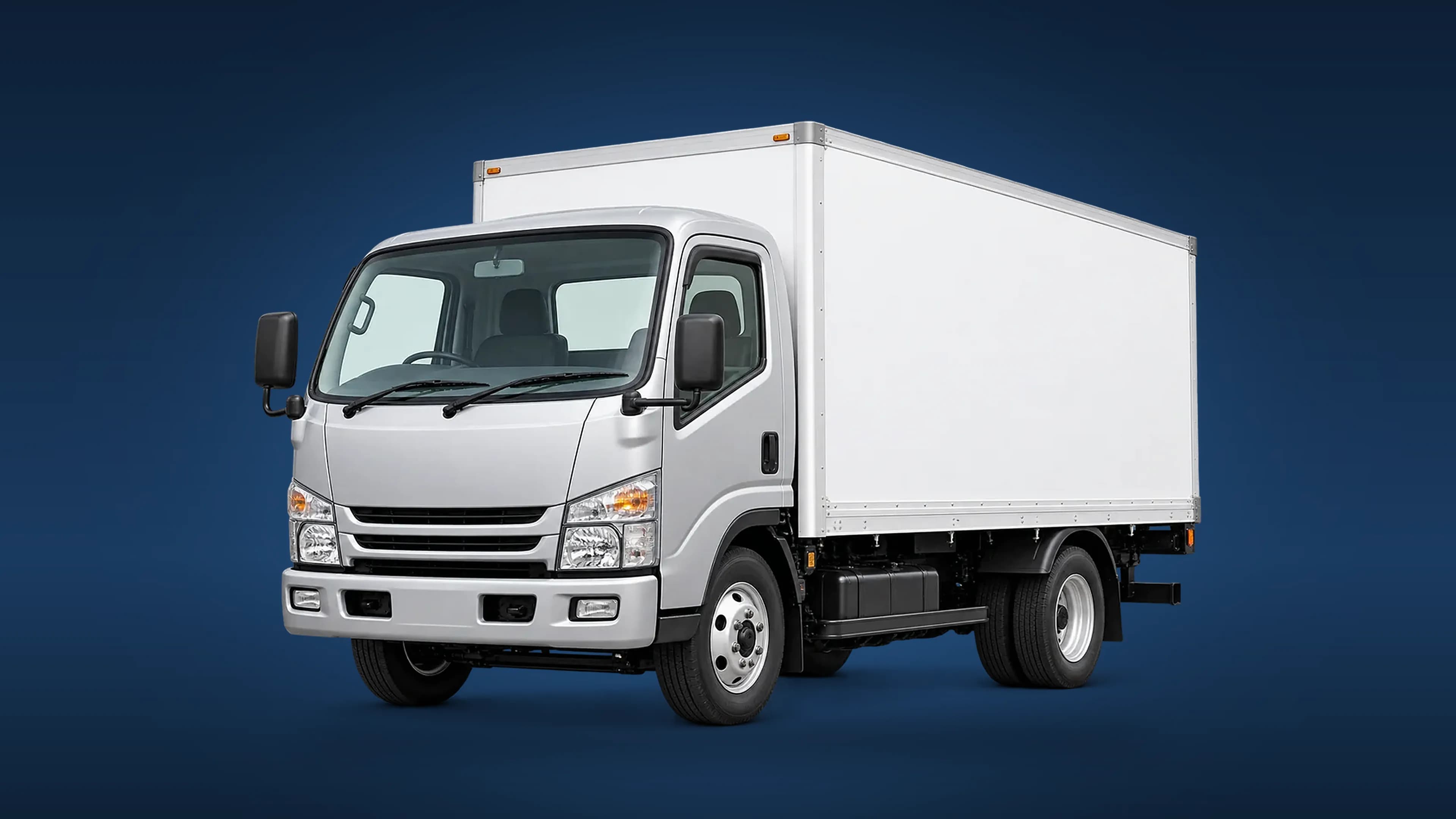
Class 3 is the odd one out among NZ truck licences. The number suggests it sits between Class 2 and Class 4, but it isn’t a step on the way to either. It’s a separate branch for medium combinations: a vehicle and a heavy trailer, weighed together.
This guide explains what a Class 3 licence covers, what you need before you apply and how the theory test works. It also compares Class 3 with the main route of Class 2, then 4, then 5. The NZTA rules were checked on 11 November 2026.
What does a Class 3 licence cover in NZ?
Class 3 covers combination vehicles with a gross combined weight (GCW) of 12,001 to 25,000 kg. It also covers everything in Class 1 and Class 2. A combination is a vehicle towing a trailer, and the GCW is the weight of both together.
The weight to use is on the certificate of loading, usually on the front windscreen of any vehicle over 3,500 kg. Use the gross combined mass (GCM) shown there, not the tare weight or the weight on the RUC licence.
| Combined weight (GCW) | Licence class you need |
|---|---|
| Up to 6,000 kg | Class 1 (full licence) |
| 6,001 to 12,000 kg | Class 2 (not a tractor and trailer) |
| 12,001 to 25,000 kg | Class 3 |
| Over 25,000 kg | Class 5 |
When does a trailer put you into Class 3?
Only when the trailer is heavier than a light trailer. A light trailer has a GLW of 3,500 kg or less. On a Class 2 licence, you can tow one behind a rigid truck of up to 18,000 kg, and you don’t count the trailer in the combined weight.
Once the trailer is over 3,500 kg, it counts, and the combined weight decides the class. If that weight is over 12,000 kg but no more than 25,000 kg, you need Class 3 or Class 5.
Here’s an example. A medium truck with a 10,000 kg GVM towing a 3,000 kg light trailer stays in Class 2. The same truck towing a trailer that weighs 5,000 kg loaded makes a 15,000 kg combination, so it needs Class 3. Check the certificate of loading for the real figures.
Source: NZTA: What you can drive with each licence class
Planning your training? Choose class 2 training and check the options for your next step.
Does a Class 4 licence cover Class 3 vehicles?
No. Class 4 covers heavy rigid trucks over 18,000 kg, plus everything in Classes 1 and 2. It doesn’t include Class 3. A Class 4 driver who moves to medium combinations of 12,001 to 25,000 kg still needs Class 3 or Class 5.
Class 5 is different. It covers combination vehicles over 25,000 kg and includes Classes 1, 2, 3 and 4. Once you hold a full Class 5, you can drive Class 3 vehicles without ever sitting Class 3.
| Licence you hold | Covers Class 3 vehicles? |
|---|---|
| Class 2 | No, only combinations up to 12,000 kg |
| Class 3 | Yes |
| Class 4 | No |
| Class 5 | Yes |
What do you need before you apply for Class 3?
You need a full Class 2 licence held for at least 6 months. If you’re 25 or over, you can apply after 3 months. After an approved “accelerated over 25” course, the 3-month requirement doesn’t apply.
You apply for the Class 3 learner licence at a driver licensing agent, such as AA or VTNZ. The application covers these steps:
- Fill in the application form.
- Show evidence of identity.
- Book the Class 3 theory test.
- Pay the application fee.
- Pass an eyesight check.
- Hand in a heavy vehicle medical certificate, unless you’ve given one in the last five years.
- Sign and have your photo taken.
Is there a theory test for the Class 3 learner licence?
Yes. The Class 3 learner licence needs a theory test of 35 questions on road rules, hazards and safety practices for that vehicle type. You need at least 33 correct to pass, so more than two wrong is a fail.
Passing it pays off later. If you go on to Class 5, you don’t sit the Class 5 theory test, because you’ve already passed the Class 3 one. Class 4 has no theory test at all.
Study with the official New Zealand road code for heavy vehicle drivers and NZTA’s learner theory test questions. The free Drive website (drive.govt.nz) is another study tool.
How do you go from Class 3 learner to full?
There are two routes. You can practise under supervision for at least 6 months and then sit the practical test. Or you can complete an approved Class 3 course any time after you get your learner licence, then take the course certificate to a licensing agent. With the course, there’s no practical test.
The approved Class 3 course covers unit standard 17575, plus unit standard 24089 on fatigue management, work time and logbooks. You don’t repeat 24089 if you completed it with an approved driver licensing course provider in the previous 12 months. If it was longer ago, the provider must confirm you’ve kept the knowledge and skills.
While you’re a learner, you never drive alone. Your supervisor sits in the front passenger seat and holds a current full NZ licence for that class.
Source: NZTA: Approved courses for heavy vehicle licences · NZTA: Heavy vehicle learner licence (stage 1)
Should you get Class 3 or go from Class 2 to 4 to 5?
Choose by the work you’ll do. If your job is a medium truck towing a heavy trailer, and you don’t need heavy rigid trucks, Class 3 may be all you need. If you want heavy trucks and trailers, the route through Class 4 to Class 5 gets you there, and Class 5 covers Class 3 vehicles too.
Class 3 doesn’t shorten the main route. The Class 4 learner licence needs a full Class 2, and the Class 5 learner licence needs a full Class 4. Holding Class 3 counts towards neither. Its one carry-over is the theory test: pass it at Class 3 and you don’t sit it again for Class 5.
| Route | What you can drive at the end | Theory tests |
|---|---|---|
| Class 2, then Class 3 | Classes 1, 2 and 3, including combinations up to 25,000 kg | Class 2 and Class 3 |
| Class 2, 4, then 5 | Everything in Classes 1 to 5 | Class 2 and Class 5 |
| Class 2, 3, 4, then 5 | Everything in Classes 1 to 5 | Class 2 and Class 3 only |
Source: NZTA: Heavy vehicle learner licence (stage 1) · NZTA: What you can drive with each licence class
Can you train for Class 3 with One Stop?
One Stop’s published truck courses are Class 2, Class 4 and Class 5. There’s no Class 3 course listed. If Class 3 is the class you need, call the team on 021 822 670 or send a message to ask.
If your goal is heavy combinations, the Class 5 course covers coupling and uncoupling a trailer, and a full Class 5 includes Class 3 vehicles. Each One Stop truck course runs over up to 3 days, with a logbook day, a class day and a practical assessment. Courses serve drivers from Palmerston North, Levin, Ōtaki and Kāpiti, and the venue and dates are confirmed when you book.
Common questions
Can I drive a Class 3 vehicle on a Class 4 licence?
No. Class 4 covers heavy rigid trucks over 18,000 kg and everything in Classes 1 and 2, but not Class 3. For combinations of 12,001 to 25,000 kg, you need Class 3 or Class 5.
Do I need Class 3 to get Class 5?
No. The Class 5 learner licence needs a full Class 4 held for 6 months, or 3 months if you’re 25 or over. A full Class 5 then covers Class 3 vehicles too.
Source: NZTA: Heavy vehicle learner licence (stage 1) · NZTA: What you can drive with each licence class
If I pass the Class 3 theory test, do I sit another one for Class 5?
No. NZTA says you don’t need the Class 5 theory test if you’ve already passed the Class 3 theory test. You still apply for the Class 5 learner licence in the usual way, with a full Class 4 held for the required time.
Can I tow a trailer on Class 2 without Class 3?
Yes, within limits. You can tow a light trailer of 3,500 kg or less behind a rigid truck of up to 18,000 kg, and it isn’t counted. A heavier trailer is fine on Class 2 only if the combined weight is 12,000 kg or less.
Sources and further reading
- NZTA: What you can drive with each licence class
- NZTA: Heavy vehicle learner licence (stage 1)
- NZTA: Approved courses for heavy vehicle licences
Check the linked official guidance when planning an application or test. A training booking is separate from applying for a licence.