Parents & learners
Returning to driving after a break: a practical restart plan
Start by checking your licence status and any relevant medical requirements. Then review the vehicle, the journeys you need to make and the tasks that feel unfamiliar. A refresher lesson can assess those practical needs without assuming you must start again as a beginner.
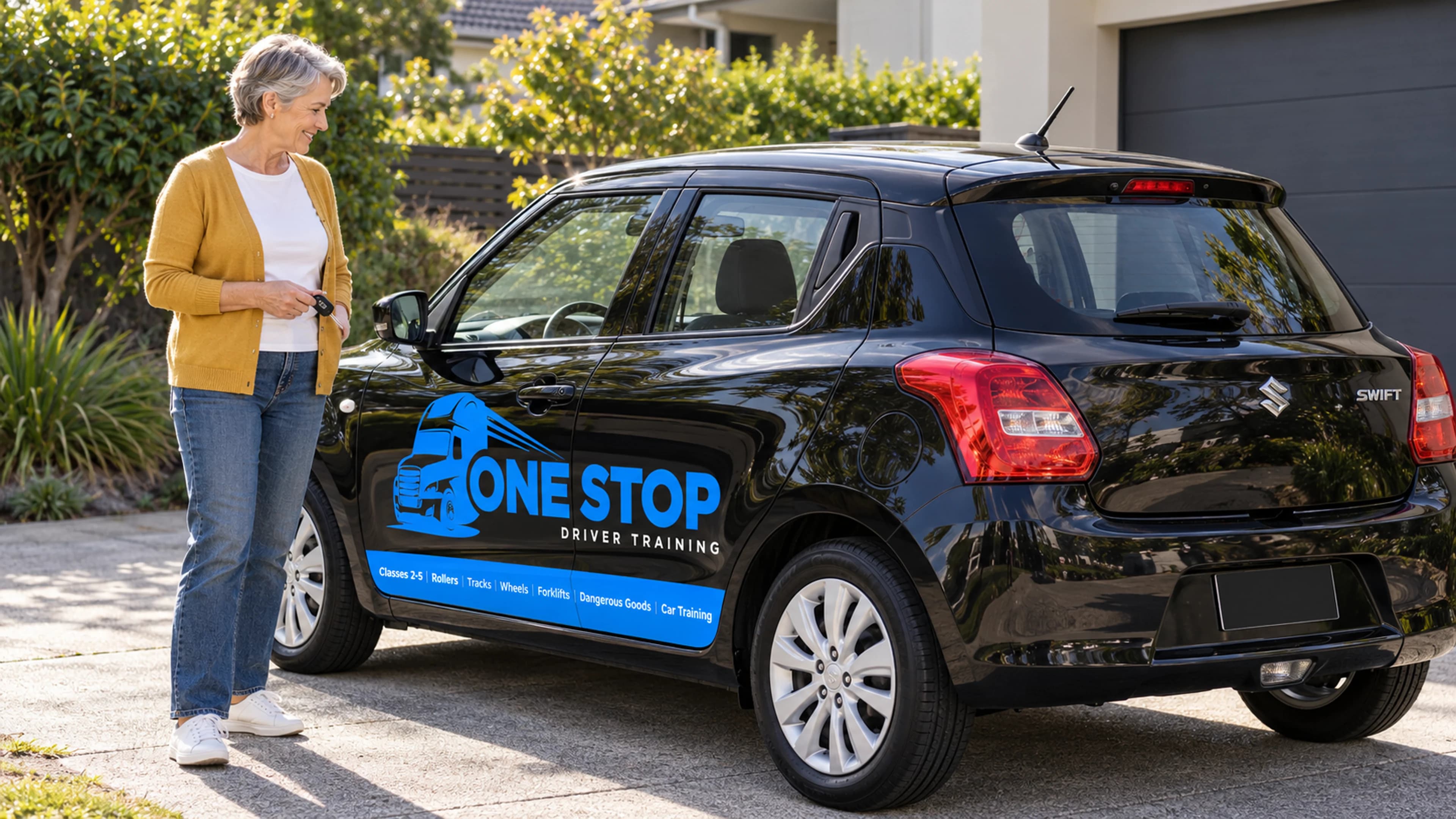
A break from driving can happen for many reasons: living somewhere with good public transport, sharing another driver's car or simply not needing to travel regularly. Returning is easier to plan when you distinguish legal readiness from familiarity and confidence.
This guide is for organising that return. It does not assess medical fitness, restore an expired licence or replace the process required after suspension or disqualification.
Check the licence before planning road practice
Read the expiry dates and conditions on your licence. NZTA says a licence expired for more than five years may require requalification, with circumstances such as recent overseas licensing affecting the process. Contact NZTA or a licensing agent if you are unsure rather than assuming that a refresher lesson restores entitlement.
Keep renewal, reinstatement and training separate in your notes. A person who has simply stopped driving may need a different administrative process from someone whose licence was suspended, surrendered or expired. Explain the relevant status honestly when enquiring about lessons so the provider can discuss an appropriate next step.
Source: NZTA: Renew your licence
Identify what has changed since you last drove
Make three lists: the vehicle, the road environment and your travel needs. You may be returning to a familiar route in a different car, or using a familiar car for an entirely new commute. Those are different training requests and should lead to different priorities.
Include everyday details such as where you will park, whether you will carry passengers and which parts of the journey you have not driven before. Do not turn the list into a catalogue of everything that could go wrong. Its purpose is to identify the few tasks that would benefit most from observation and feedback.
Planning your training? Choose a car lesson and check the options for your next step.
Relearn the vehicle while stationary
Before a drive, ask for an introduction to any unfamiliar controls and displays. Locate the features you may need without searching for them while moving. Read the vehicle's own instructions where appropriate, especially if the operating system differs from the car you remember.
Tell the instructor which vehicle you expect to use outside lessons. If it cannot be used for the session, discuss how to transfer the learning sensibly. A refresher drive in one car does not automatically establish familiarity with every feature of another. Build that handover into the plan instead of leaving it until your first independent trip.
Ask for a focused assessment, not a verdict on your age
Describe the journey or task you want help with and ask the instructor to observe it at a suitable level of difficulty. Useful feedback identifies a behaviour and a next step. It should not rely on assumptions that all returning drivers of the same age need the same course.
Bring a short record of what felt unfamiliar beforehand. After the lesson, compare it with the instructor's observations. Some concerns may need practice, while others may be answered by understanding the car or route. Agree which issue to address first and how to check progress.
Create a staged return that fits real journeys
Plan a manageable first journey with time to prepare and somewhere familiar to finish. Avoid making an urgent appointment your first return to driving. As your instructor advises, vary the task and environment to address the journeys you actually need rather than collecting difficulty for its own sake.
Use Drive's lesson resources to identify topics for discussion, even if you are no longer a learner. Treat the table below as a planning tool, not an official competency standard.
| Planning stage | Question to answer |
|---|---|
| Before a lesson | What licence or health question must be resolved? |
| During the review | Which task needs observation and feedback? |
| First planned journey | What makes this journey manageable? |
| Later review | What is still unfamiliar after practice? |
Address health-related questions through the right route
If the break followed a medical event, or a condition or medication may affect driving, use NZTA's medical guidance and advice from the appropriate health professional. A lesson is not a substitute for a required medical assessment or clearance.
Once the relevant requirements are clear, share necessary practical information with the instructor. You may need a specific vehicle arrangement, a restriction reflected in the lesson or a different assessment pathway. Do not ask a general refresher session to answer a question outside the instructor's role. Clear boundaries make the training request more useful for everyone.
Source: NZTA: Driving with a medical condition or disability
Common questions
Do I have to start from the beginning after a break?
Not automatically. Ask for an assessment based on your experience, current licence and intended driving. The result can identify which skills need refreshing rather than assuming every returning driver needs a beginner programme.
Can I take a lesson on an expired licence?
Resolve the legal position with NZTA and the provider before arranging any driving. A lesson booking does not renew a licence or override its conditions. The required next step depends on your circumstances.
What should I bring to a refresher lesson?
Bring the requested licence information and a concise description of your driving history, planned journeys and concerns. Confirm vehicle arrangements and any relevant restrictions with the provider in advance.
Sources and further reading
- NZTA: Renew your licence
- NZTA: Driving with a medical condition or disability
- Drive: Driving lessons for coaches
Check the linked official guidance when planning an application or test. A training booking is separate from applying for a licence.