Parents & learners
Automatic or manual driving lessons: which fits your plans?
Choose a transmission around the vehicle you can practise in and the driving you expect to do. Automatic and manual vehicles require different control skills, but both need observation and judgement. Check the restricted-licence transmission condition before making a test decision.
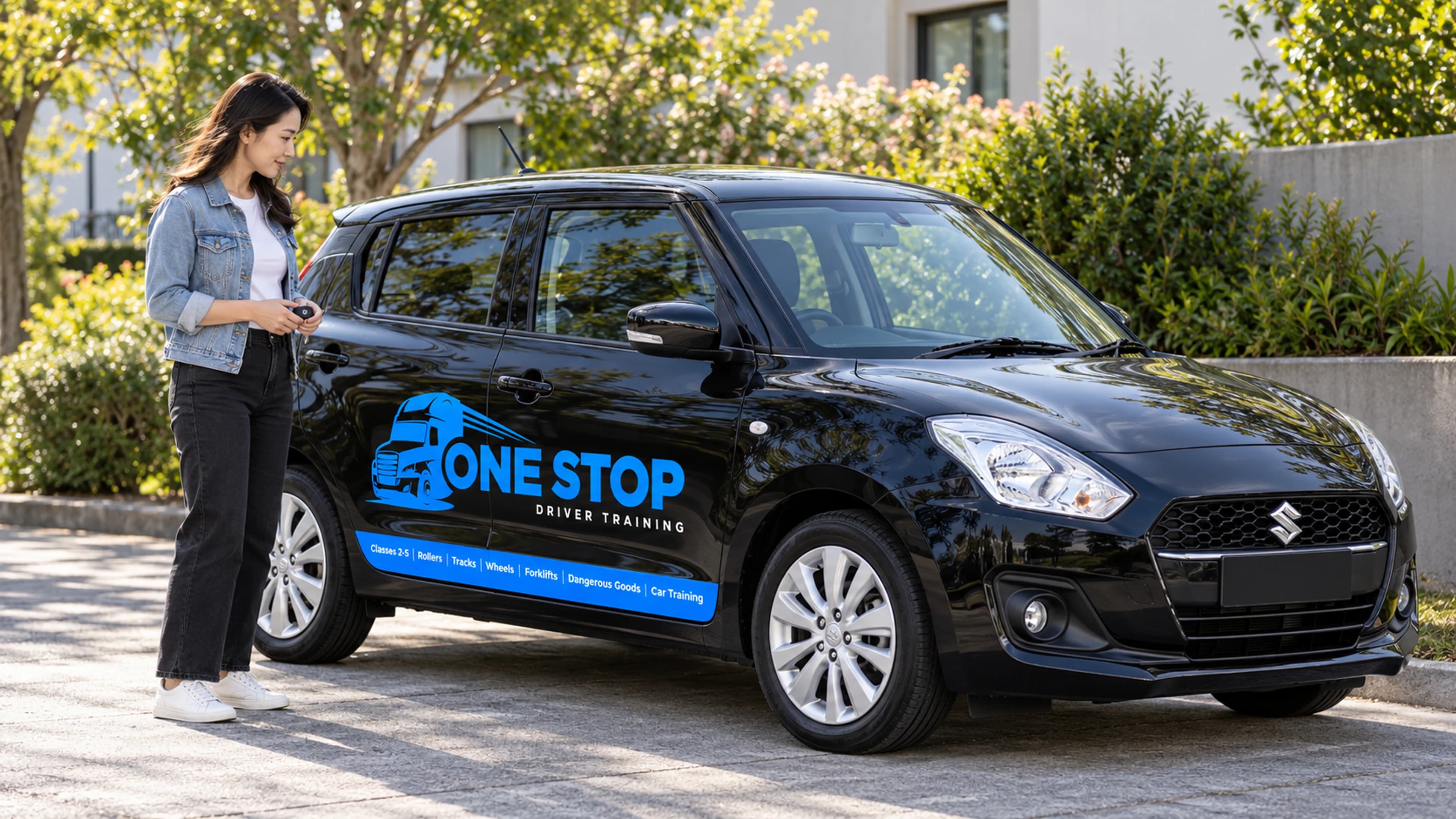
Choosing automatic or manual lessons is easier when you start with your circumstances rather than someone else's opinion about what a proper driver should learn. The right first step may be different for two people in the same household.
This comparison separates vehicle controls, access to practice and licence implications. It does not assume that either option produces faster progress or that a particular training vehicle will always be available.
Start with the car available between lessons
List the vehicles you could realistically use for supervised practice. Include whether an eligible supervisor is available and whether the vehicle owner agrees to the arrangement. A theoretical choice between transmissions is less useful than knowing which car you can actually access on a regular basis.
Tell the instructor if the lesson car and home car differ. Even two automatics can have unfamiliar controls or different visibility. Build time into the plan to become familiar with each vehicle rather than assuming that a successful task transfers immediately. Ask the provider which transmissions they currently offer before booking.
Understand what changes in the driving task
In a manual car, the learner must coordinate clutch use and gear selection alongside other driving tasks. An automatic handles gear changes differently, but still requires careful speed control, observation and decisions. Removing one control task does not remove the need to understand what is happening around the vehicle.
Discuss where your attention currently goes. A learner who spends much of a session thinking about the controls may benefit from a different practice structure. Another may already have access to a manual car and want to develop those skills. An assessment can help turn that preference into a workable plan.
| Question | Automatic option | Manual option |
|---|---|---|
| What controls need learning? | Vehicle-specific selector and speed control | Clutch and gear coordination as well as other controls |
| Can I practise regularly? | Check access to an appropriate automatic | Check access to an appropriate manual |
| What will I drive later? | Compare with the actual vehicle | Confirm whether manual skills are useful for that vehicle |
Planning your training? Choose learner lessons and check the options for your next step.
Check the restricted-licence transmission condition
NZTA's current guidance says passing the restricted test in an automatic leads to an automatic-only condition. The condition does not apply when an eligible supervisor accompanies you. Do not borrow a manual car for an unsupervised trip simply because you have had a manual lesson.
NZTA's learning-to-drive factsheet explains that a full class 1 licence allows either transmission. Read any other conditions on your own licence and check current guidance before changing how you drive. For an application around the 2027 transition, confirm the applicable process with NZTA rather than relying on an old forum answer.
Source: NZTA: How to get a restricted licence · NZTA Factsheet 45: Learning to drive
Think about useful access, not hypothetical future needs
If you expect to drive a specific family or work vehicle, find out its transmission before making it the reason for your choice. Avoid paying for a skill purely because someone says every employer requires it. An actual vehicle requirement is a better basis for planning than a general claim about jobs.
Your plans can also change. You can ask an instructor about learning additional vehicle-control skills later. Keep the question practical: what would you need to demonstrate, what practice car would you use and what licence conditions would apply? There is no need to turn the first transmission choice into a permanent identity.
Avoid changing plans without a learning handover
If you switch transmission during training, tell the new instructor what you have practised and where you still need help. Observation and road understanding may carry across, but control familiarity should be checked rather than assumed. A brief starting assessment can identify the right focus.
Use Drive's lesson resources as a reference for the wider driving skills you are developing. Keep those goals visible while adapting to a different vehicle. Otherwise, every session can become about the gear selector or clutch while the original observation and planning priorities disappear from the conversation.
Make the decision with four concrete answers
Write down your available practice car, likely everyday vehicle, current licence conditions and the instructor's assessment of your starting point. If one answer is unknown, investigate it before purchasing a large lesson package. You may find that access to suitable practice settles the decision.
Ask for a plan that can be reviewed after early lessons. Record what is working and any barrier to practice. The most useful choice is one you can explain in terms of your actual circumstances, with room to adjust as those circumstances become clearer.
Common questions
Are automatic lessons always quicker?
No fixed lesson count follows from transmission alone. Starting skills, practice opportunities and learning goals differ. Ask for an individual assessment rather than a promise that one vehicle will make you test-ready sooner.
Can I change from automatic to manual lessons?
Discuss it with the provider and confirm vehicle availability. Plan time to learn the different controls and check the conditions that apply to your licence before practising outside lessons.
Should I choose manual because my family prefers it?
Family advice can help, but compare it with the vehicle you can use, your own goals and an instructor's assessment. Choose a practical arrangement rather than a test of commitment or confidence.
Sources and further reading
- NZTA: How to get a restricted licence
- NZTA Factsheet 45: Learning to drive
- Drive: Driving lessons for coaches
Check the linked official guidance when planning an application or test. A training booking is separate from applying for a licence.