Parents & learners
Driving lessons for nervous learners: making the first step manageable
Tell the instructor which parts of learning feel difficult and agree how the first session will begin. Make the driving goal specific and review what support helped. Lessons teach driving; they are not treatment for an anxiety condition or a guarantee that nervous feelings will disappear.
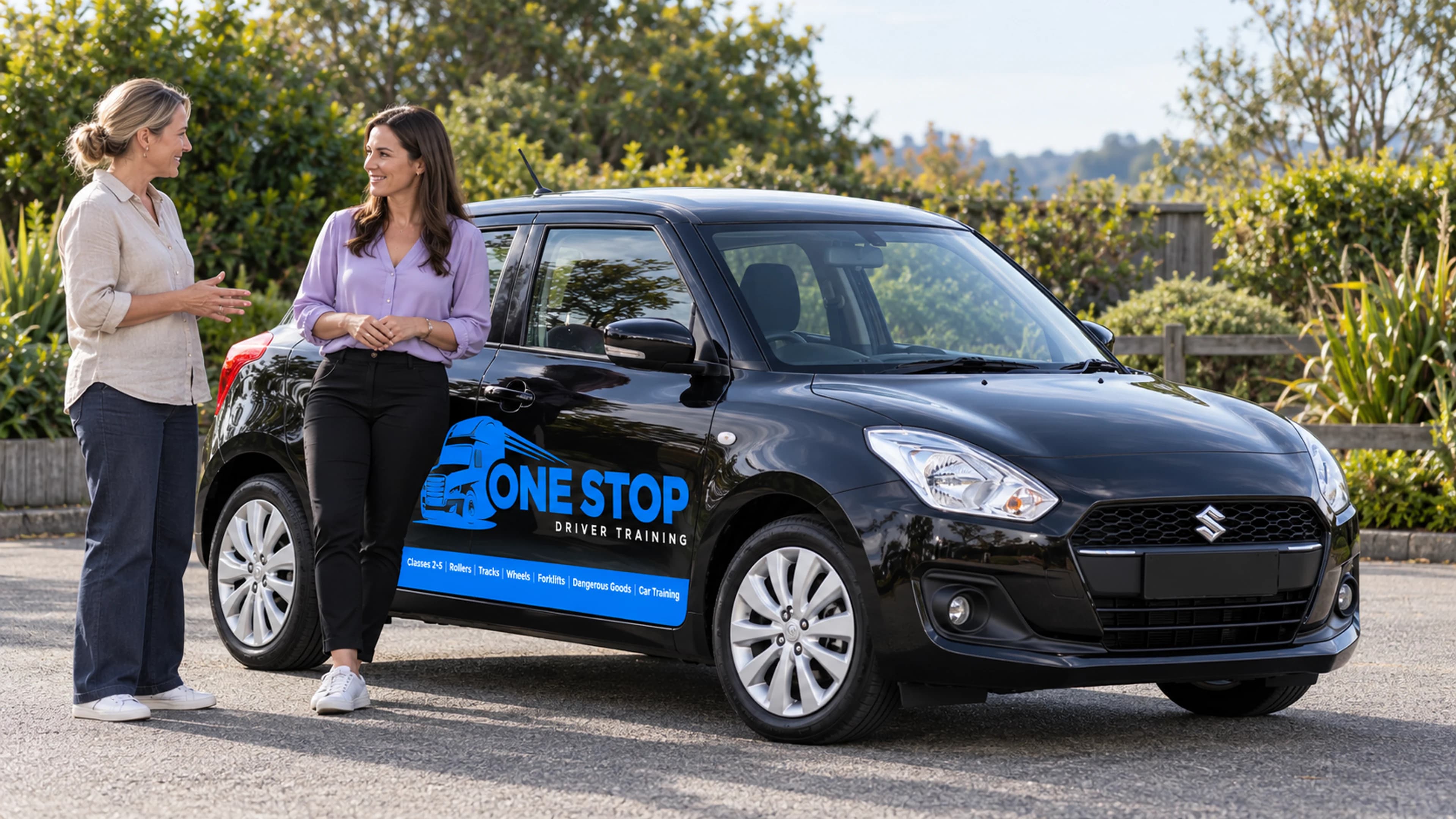
You do not have to describe yourself as a confident person before asking about driving lessons. A useful first conversation is about the task: what you have tried, what became difficult and what would help you understand the next step.
This article offers practical ways to organise that conversation. It does not diagnose anxiety or prescribe treatment. If a health condition affects your fitness to drive, follow the appropriate health and licensing advice.
Describe a situation rather than a label
Instead of only saying you are nervous, give an example. Perhaps you worry about holding up traffic, do not understand what an instructor might ask or have never used the controls. These concerns need different explanations. You can write them down before contacting the provider if talking through them feels difficult.
You do not need to share personal details unrelated to the lesson. Focus on what affects communication, concentration or the practical arrangement. Ask how the instructor would begin with someone at your level and what information they need to plan responsibly. This gives you something concrete to assess before booking.
Agree what the first session is for
A first session might focus on understanding controls, discussing previous experience or assessing a familiar task. The exact activity should be agreed with the instructor, not promised by a general article. Ask where the session begins and whether there is time for a parked explanation before moving.
Drive's planning guidance supports listening to learners and matching practice to their current ability. Use that principle to ask for a clear starting point and a way to discuss changes. You should know the purpose of a new activity rather than feeling that every instruction introduces an unexpected challenge.
Source: Drive: Planning a good practice session
Planning your training? Choose learner lessons and check the options for your next step.
Make communication part of the lesson plan
Tell the instructor if several instructions together are hard to follow, or if you need unfamiliar terms explained. Agree how you can say that you have not understood. Also ask how safety instructions differ from ordinary coaching so that both of you know when an immediate response is needed.
During a parked review, describe which explanation helped. This is more actionable than saying the whole session was good or bad. For example, knowing the purpose of a task beforehand may have helped you follow it. Keep that useful detail for the next session and revise the arrangement when necessary.
- Identify one situation you want explained before moving.
- Agree how to ask for clarification.
- Know how a safe pause will be arranged.
- Leave time to discuss what helped afterwards.
Measure progress with small observations
Avoid setting the only goal as feeling completely calm. Instead, record a driving task that became clearer or required less prompting in a particular setting. These observations can guide the instructor even when feelings vary from one day to another.
A simple note might say that you could explain the controls before departure or understood an instruction earlier than last time. Do not turn the record into a competition with another learner. It is there to help choose the next practice task and to show which support should continue, change or be checked again.
Keep family support consistent with the lesson
If you practise outside lessons, make sure the supervisor meets NZTA's requirements. Ask the instructor for a manageable practice focus and share it with that person. A family member's attempt to prove that a difficult route is easy may undermine the agreed plan.
Use one brief record between lessons and practice rather than several conflicting sets of instructions. If home practice is not working, say so. The instructor can discuss a different arrangement or help identify the communication problem. Drive's coaching resources can provide a common reference for the skills being discussed.
Source: NZTA: Who can be a supervisor · Drive: Driving lessons for coaches
Know the boundary between instruction and health care
A driving lesson is an educational service. It should not be advertised as curing anxiety, replacing health care or proving medical fitness. NZTA provides information for drivers whose medical conditions may affect driving; consult the appropriate practitioner when that applies to you.
You can still make a useful training enquiry while a question is being resolved. Ask about the provider's process, explain any relevant restriction and avoid arranging driving that conflicts with it. A responsible plan works within your actual circumstances rather than pressuring you to continue simply because a lesson has been booked.
Source: NZTA: Driving with a medical condition or disability
Common questions
Do I need to stop feeling nervous before booking?
You can start with an enquiry about the lesson process and your experience. Ask what a suitable first session would involve. Any concern about medical fitness to drive should be addressed through the appropriate professional advice.
Can an instructor promise to remove driving anxiety?
No such outcome should be assumed. An instructor can explain their teaching approach and agree practical goals, but driving instruction is not a guaranteed treatment for anxiety.
What should I do if an exercise feels too much?
Use the communication arrangement agreed with the instructor and request a safe pause. Discuss what made the task difficult once stopped. Do not attempt an abrupt manoeuvre to end an exercise.
Sources and further reading
- Drive: Planning a good practice session
- NZTA: Who can be a supervisor
- Drive: Driving lessons for coaches
- NZTA: Driving with a medical condition or disability
Check the linked official guidance when planning an application or test. A training booking is separate from applying for a licence.