Local learners
Learner driving lessons in Paraparaumu: planning your first drive
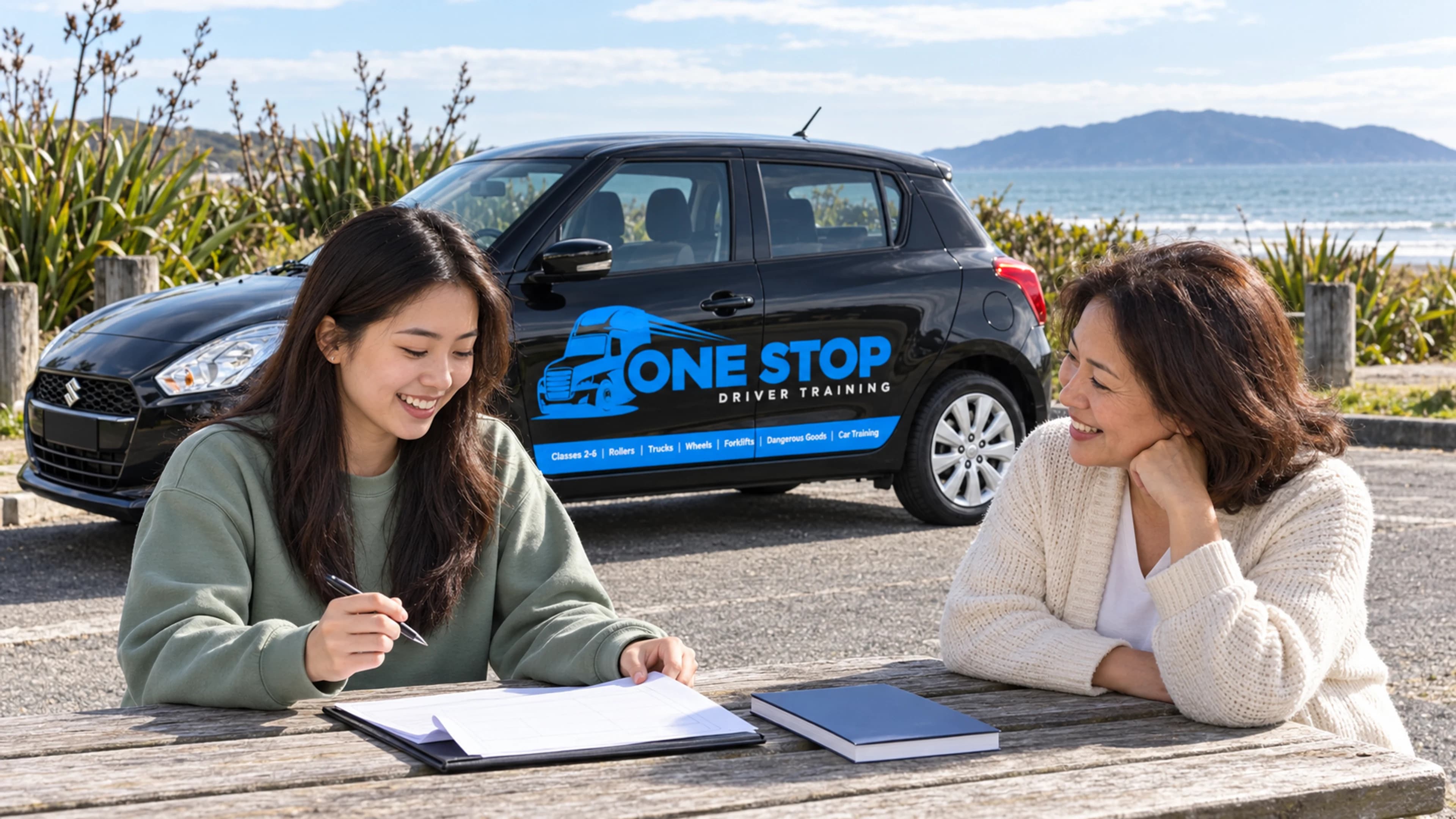
Before a learner driving lesson in Paraparaumu, confirm where you will meet and whose car you will use. Tell your instructor one thing you can do on your own and one thing you still need help with. If you can stop smoothly but need prompts at turns, ask to work on turns and take home one practice goal.
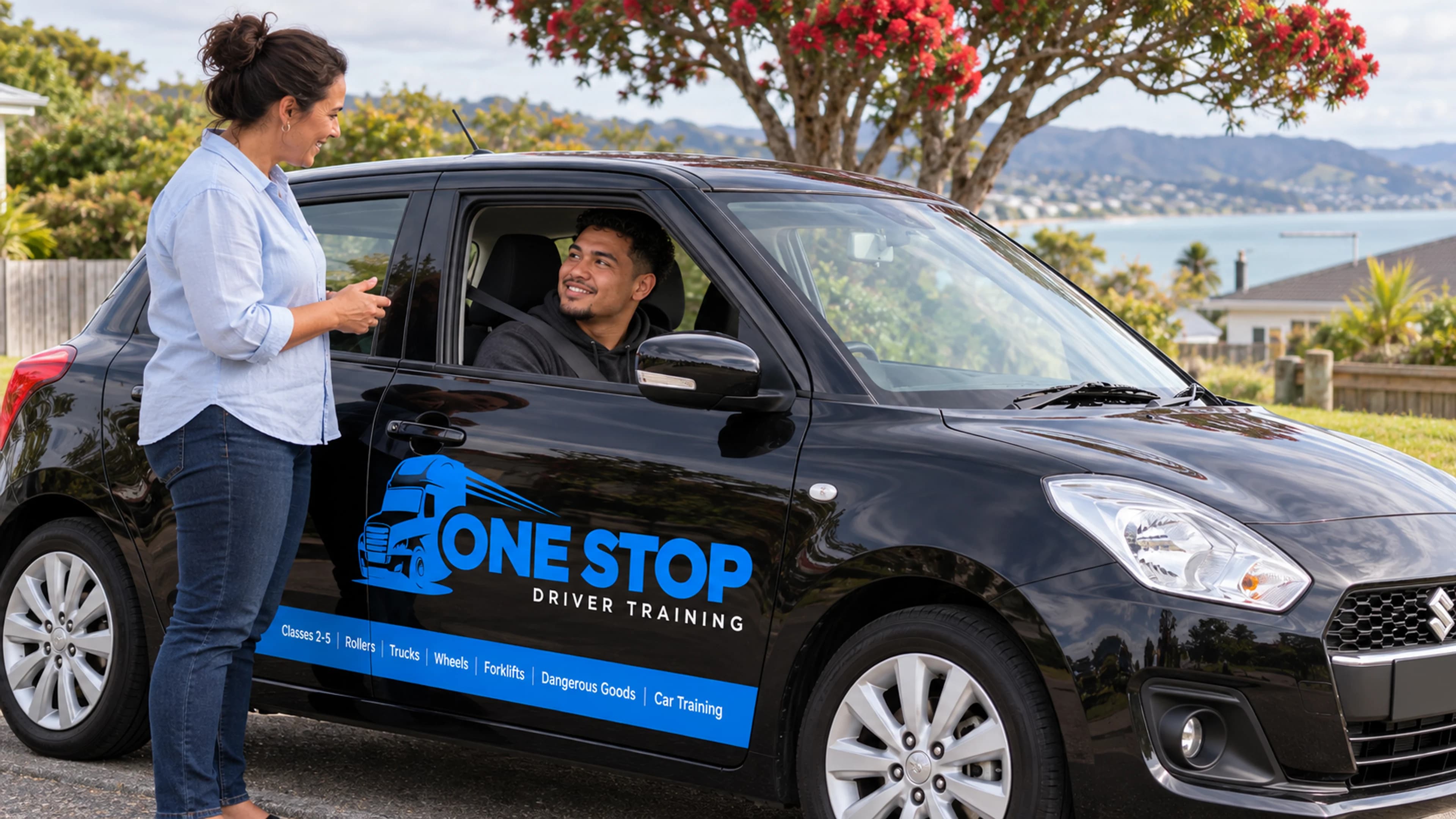
The most useful question when arranging learner driving lessons in Paraparaumu is not simply how many lessons to buy. It is what you need to be able to do next, and what support will help you practise that skill reliably.
You might eventually want to drive to work, visit family or connect with public transport. Those are useful reasons to learn, but they are not automatically suitable first-lesson journeys. Start with your present ability and build towards the journeys that matter to you.
Describe your starting point in everyday language
Tell the instructor what you have actually done. Saying you have driven a few times is less informative than explaining that you have practised moving away, can stop smoothly, but still need help deciding when to turn. You do not need technical vocabulary to give a useful picture.
Also explain what makes a lesson difficult: unfamiliar controls, processing spoken directions or feeling rushed by other traffic. This is information for planning, not a confession of failure. Ask how the instructor will establish a suitable starting level before introducing more demanding situations.
Source: NZTA: Driving skills syllabus
Confirm the practical arrangements before the day
Ask where the lesson begins and ends, whether the same location is used for both, and who provides the vehicle. If you are travelling from another part of Kāpiti, leave room for the journey rather than arriving after a stressful rush. One Stop’s regional coverage does not establish a fixed Paraparaumu office or pickup promise.
Agree on what happens if you cannot find the meeting point. Keep the provider’s contact details accessible before travelling, and make any arrangements while stationary. A short confirmation message containing the date, location and vehicle plan can prevent several avoidable misunderstandings.
- Exact meeting point and finish location confirmed.
- Vehicle and transmission preference discussed.
- Licence and any required glasses ready.
- Transport home arranged without assuming the lesson is a lift.
- Cancellation or rescheduling terms understood.
Planning your training? Choose learner lessons and check the options for your next step.
Turn an everyday journey into smaller skills
Suppose your long-term goal is driving to a regular appointment. Break that journey into the decisions it involves: leaving a parking place, dealing with junctions, choosing lanes and finding a suitable place to stop. Ask which of those decisions you are ready to work on now.
The instructor can then select appropriate learning opportunities rather than trying to finish the whole journey. An unfamiliar street may teach you more about observation than repeating a comfortable loop. The purpose is to transfer a skill between situations, not collect a route that only works when nothing changes.
| Future journey need | Possible lesson question |
|---|---|
| Leaving a busy destination | How do I organise observations before moving? |
| Finding the correct turn | How early should I recognise the information I need? |
| Arriving somewhere unfamiliar | How can I plan a safe finish without rushing? |
Separate feedback from self-criticism
After a lesson, describe an event rather than giving yourself a label. ‘I needed a reminder before that turn’ gives you something to discuss. ‘I am terrible at driving’ does not tell you what to practise or what helped. Ask the instructor to identify the earliest part of the task that needs work.
Keep a short note of one improvement, one unresolved question and the agreed next step. Do this after driving, not while handling the vehicle. The note should be easy to revisit before your next lesson; a page of vague criticism is unlikely to help anyone prepare.
Measure progress by consistency
A lesson can be productive even if you cover less distance than last time. You may be reducing the number of prompts, recognising a situation earlier or recovering calmly when a plan changes. Ask what evidence would show that you are ready to add complexity.
Discuss how practice outside lessons fits with the plan. If a family member will help, check the official supervisor criteria rather than assuming any experienced driver qualifies. Give that person the agreed practice focus, and ask the instructor to resolve conflicting advice before it becomes an argument in the car.
Source: NZTA: Who can be a supervisor
Common questions
Will lessons follow my eventual test route?
Do not rely on a promised route. Ask for practice that develops observation and decisions across suitable situations. Familiarity can make a road feel easier without showing that the same skill transfers elsewhere.
Can I be collected from my home in Paraparaumu?
Ask the provider to confirm the exact meeting arrangement. Regional coverage does not guarantee home pickup, and an agreed meeting place can depend on instructor availability and the lesson plan.
How many lessons should I book first?
Start by discussing your experience and goals. An initial lesson can help establish priorities before you commit to a larger plan. There is no useful universal lesson count for every learner.
Sources and further reading
Check the linked official guidance when planning an application or test. A training booking is separate from applying for a licence.